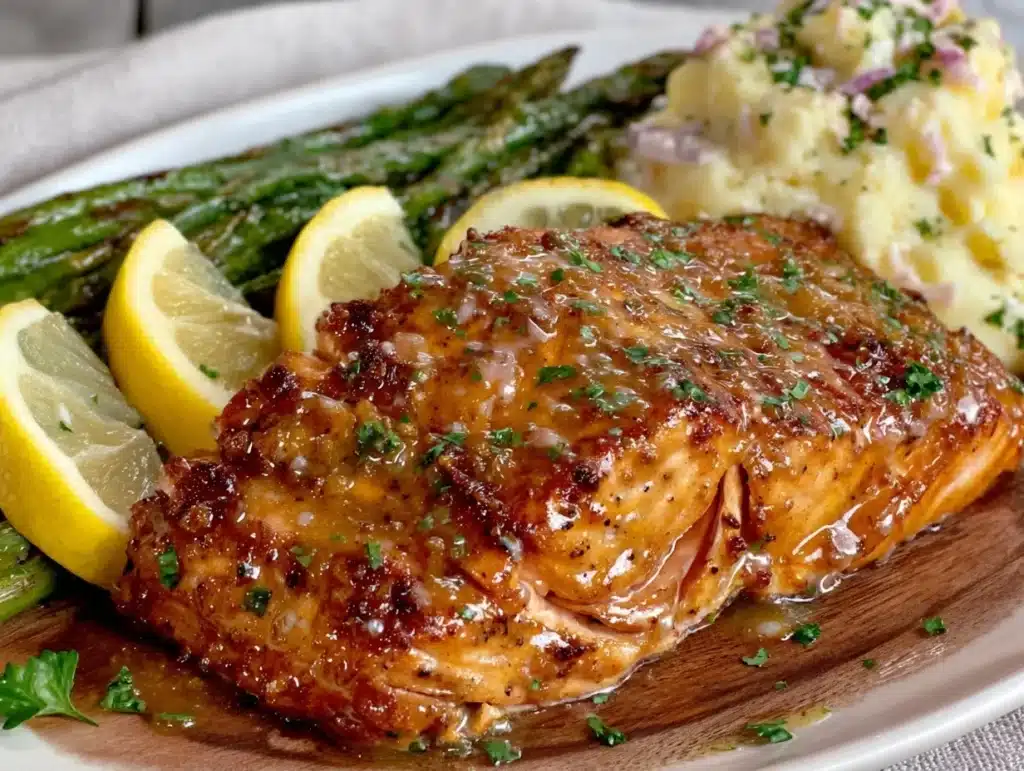
I still remember the first time I tried Texas Roadhouse salmon. It was a rainy Tuesday in November, and my husband had just gotten a promotion that required a celebratory dinner out. We walked in, the smell of cinnamon sugar rolls hitting us before we even sat down, and ordered the usual. But this time, I ordered the salmon. It was glazed with this incredible lemon butter sauce that was sweet, tangy, and perfectly salty. I closed my eyes for a second, just letting that flaky, hot fish melt in my mouth, and thought, “I can make this at home.”
Honestly, I’ve been telling myself that for years. I’d look at the price tag on the menu and immediately dismiss the idea. Why pay $24 for a piece of fish when I could cook it myself? But the truth is, restaurant versions are often loaded with sodium and weird preservatives that just don’t taste like real food. So, last month, I decided to stop making excuses. I grabbed my best skillet, some fresh fillets, and started experimenting. After three failed attempts (one was too dry, another was too salty, and the third… well, let’s just say the dog wouldn’t eat it), I finally nailed it.
This Texas Roadhouse Style Salmon – Lemon Butter recipe is the result of those late-night kitchen experiments. It’s not just about copying a menu item; it’s about creating a meal that feels special without the hassle. You know how sometimes you want that “date night” vibe but don’t want to deal with babysitters or driving across town? This is it. It comes together in under 20 minutes, uses simple ingredients you probably already have, and tastes like you spent hours in the kitchen. Plus, it’s way healthier than the original, which is a huge win for my waistline and my peace of mind.
What makes this specific version of lemon butter salmon stand out is the balance. Most homemade versions miss that signature sweetness that Texas Roadhouse is famous for. I found that using a mix of brown sugar and honey, paired with fresh lemon juice and a touch of white wine, creates that exact sticky, glossy glaze. It’s not just fish with butter on top; it’s a complete flavor experience. I’ve tested this recipe over a dozen times now, tweaking the ratios until my family stopped asking if I bought it from the restaurant. They genuinely think I’m a chef now, which is funny because I’m really just a home cook who refuses to give up.
If you’re looking for a quick weeknight dinner that impresses, or a healthy option that doesn’t taste like “diet food,” this is your answer. It’s perfect for busy parents, fitness enthusiasts, or anyone who just loves good food. Let’s face it, life is too short for dry, bland fish. This Texas Roadhouse Style Salmon – Lemon Butter is juicy, flavorful, and incredibly satisfying. Once you try it, you’ll never go back to the frozen aisle.
Why You’ll Love This Recipe
I’ve spent years testing different cooking methods for fish, from baking to grilling to poaching, but there is something special about pan-searing with a glaze. This recipe isn’t just another salmon recipe; it’s a tested, tweaked, and perfected version that delivers consistent results every single time. I know what you’re thinking—another salmon recipe? But trust me, this one is different. It’s the kind of dish that makes you feel like you’ve accomplished something huge in the kitchen, even though it’s surprisingly easy.
- Quick & Easy: From start to finish, this meal takes less than 20 minutes. That’s right. You can have dinner on the table before the pizza delivery guy even finds your house. It’s perfect for those chaotic weeknights when you’re exhausted but still need to eat.
- Simple Ingredients: You don’t need a trip to a specialty store. Everything you need is likely in your pantry or fridge right now. Salmon fillets, butter, lemon, honey, brown sugar, and a few basic spices. No fancy oils or hard-to-find herbs.
- Perfect for Date Night: Want to impress your partner without the stress of a three-course meal? This looks elegant on the plate but is foolproof to make. It feels luxurious, but it’s actually very forgiving if you’re a beginner cook.
- Crowd-Pleaser: I’ve served this to picky eaters, health nuts, and carnivores who usually avoid fish. Everyone loves it. The sweet and savory glaze is universally appealing, and the texture is always tender.
- Unbelievably Delicious: The combination of the crispy skin and the sticky, tangy sauce is next-level comfort food. It’s rich but not heavy, and the lemon cuts through the richness of the butter perfectly.
What really sets this apart is the technique. Many people ruin salmon by overcooking it, but this method keeps it moist. I use a high-heat sear to get that restaurant-quality crust, then finish it with the glaze. It’s a small detail that makes a massive difference. Also, the glaze isn’t just sugar; it has acidity from the lemon and wine, which balances the sweetness. This isn’t just a copycat; it’s an upgrade. It’s the kind of meal that makes you close your eyes after the first bite and just savor the moment. It’s comfort food reimagined—healthier, faster, but with the same soul-soothing satisfaction as your favorite restaurant.
What Ingredients You Will Need
This recipe relies on the quality of a few key components to deliver that bold, restaurant-style flavor. You don’t need anything exotic, but using fresh, high-quality ingredients makes a huge difference in the final taste. The beauty of this Texas Roadhouse Style Salmon – Lemon Butter is that it turns humble ingredients into something spectacular with the right balance of sweet, salty, and tangy.
- Salmon Fillets: Aim for 4 to 6 ounces per person. Skin-on fillets are best because the skin helps protect the flesh from drying out during the sear. Look for vibrant orange-pink flesh with white lines (fat marbling) running through it. Wild-caught Alaskan salmon is my personal favorite for its firm texture and clean flavor, but farmed Atlantic works well too if you prefer a richer taste. Make sure they are fresh and smell like the ocean, not fishy.
- Unsalted Butter: You’ll need about 4 tablespoons. Using unsalted butter allows you to control the sodium level. Salted butter can sometimes burn faster due to the milk solids, so unsalted gives you more control over the browning process. Room temperature butter melts faster into the sauce, creating a smoother emulsion.
- Extra Virgin Olive Oil: About 2 tablespoons. Olive oil has a higher smoke point than butter, which is crucial for getting that nice sear on the salmon without burning the butter immediately. It adds a subtle fruity note that complements the lemon beautifully.
- Garlic Cloves: 3 to 4 cloves, minced. Fresh garlic is non-negotiable here. Powdered garlic just doesn’t have the same punch. Mince it finely so it disperses evenly in the butter without burning. If you hate garlic, you can skip it, but it really adds depth to the sauce.
- Fresh Lemon Juice: About 2 tablespoons. Squeeze it yourself! Bottled lemon juice often has preservatives and lacks the bright, zesty kick of fresh lemons. Use two medium-sized lemons. Save the lemon halves for garnish or to squeeze over the top right before serving.
- White Wine: 2 tablespoons of dry white wine, like Sauvignon Blanc or Pinot Grigio. This deglazes the pan and adds a complexity of flavor that water or broth can’t match. If you don’t drink alcohol, you can substitute with chicken broth or extra lemon juice, though the flavor will be slightly less complex.
- Honey: 1 tablespoon. Honey adds a natural sweetness and helps the glaze stick to the fish. It also gives the salmon that beautiful, glossy sheen that is so characteristic of the restaurant version.
- Brown Sugar: 1 tablespoon. This provides a deeper, molasses-like sweetness compared to white sugar. It helps create a slight caramelization on the surface of the fish, adding a nice texture contrast.
- Dijon Mustard: 1 teaspoon. This is the secret ingredient. It adds a tangy, spicy kick that cuts through the sweetness of the honey and brown sugar. It also helps emulsify the sauce, keeping it from separating.
- Seasonings: Kosher salt and freshly cracked black pepper. Don’t forget these basics! They enhance all the other flavors. I also like a pinch of red pepper flakes if I want a little heat, but it’s optional.
- Fresh Parsley: Chopped, for garnish. It adds a pop of color and a fresh, herbaceous note that balances the rich butter sauce.
I recommend using a good quality olive oil, like Bertolli or Colavita, for the searing step. For the salmon, if you can find sustainably sourced options, that’s even better for the environment and often indicates higher quality control. The key is to keep the ingredient list simple so the natural flavor of the fish can shine through.
Do I Need Any Special Equipment?
You don’t need a fancy kitchen to make this recipe, but having the right tools makes the process much easier. Here is what you’ll need:
- Cast Iron Skillet: This is my go-to pan for salmon. It retains heat incredibly well, which helps get a consistent sear on the fish. If you don’t have cast iron, a heavy-bottomed stainless steel skillet works just as well. Avoid non-stick pans if you want that crispy skin, as they don’t get hot enough for a proper sear.
- Spatula: A thin, flexible metal spatula is essential for flipping the fish without breaking it. It also helps you scrape up the delicious browned bits (fond) from the bottom of the pan when making the sauce.
- Measuring Spoons: Precision matters with the glaze ingredients. Having a set of measuring spoons ensures your sweet-to-sour ratio is just right.
- Zester or Microplane: If you want to add lemon zest for extra aroma, a microplane is perfect. It creates fine shreds of lemon peel that melt into the butter sauce instantly.
If you don’t have a cast iron skillet, don’t worry. I’ve made this in regular stainless steel pans with good results. Just be patient with the heat and don’t move the fish too early. Let it sear for a full 3-4 minutes before flipping. For budget-friendly options, a simple carbon steel skillet is a great alternative to cast iron—it’s lighter and easier to handle, though it requires seasoning.
How to Make Texas Roadhouse Style Salmon
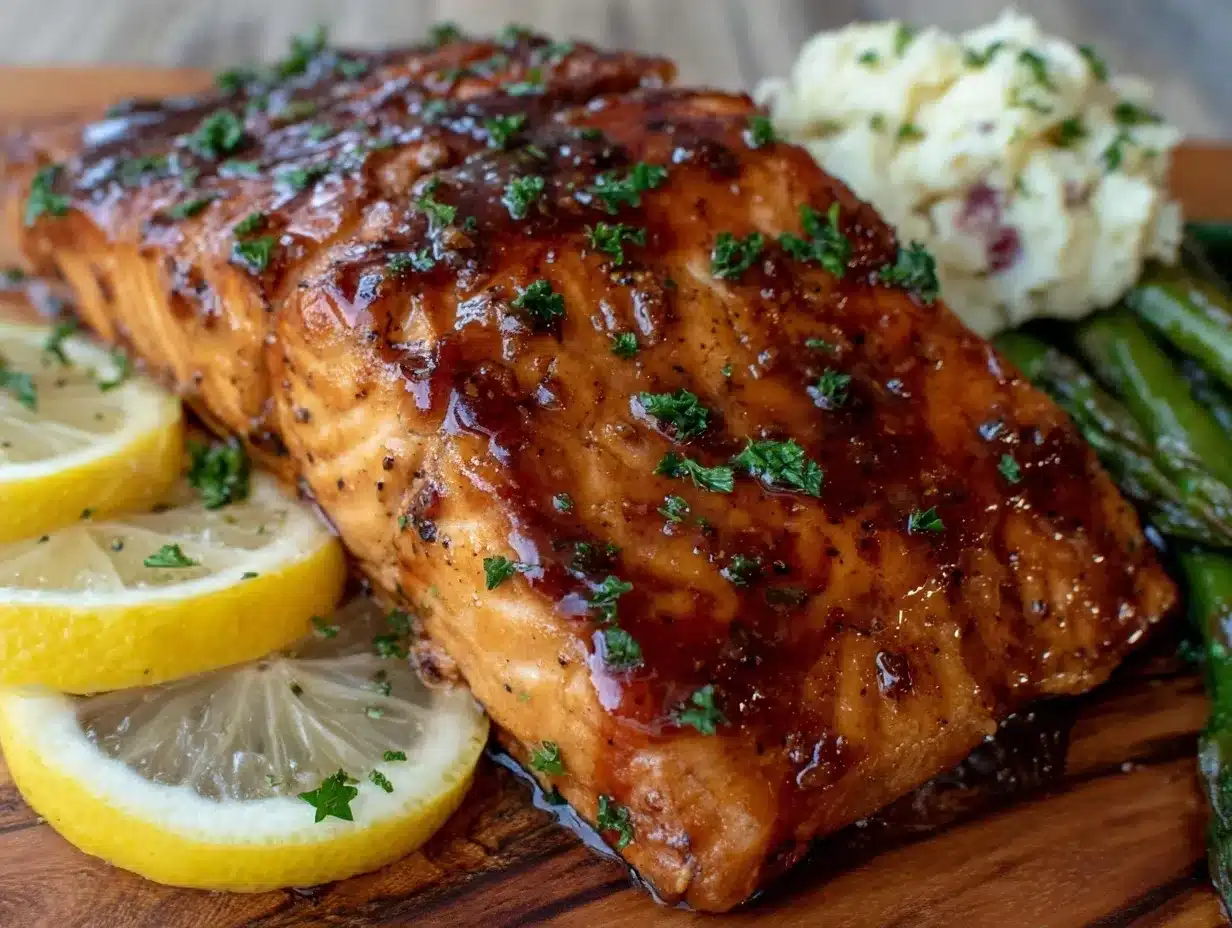
Let’s get into the nitty-gritty of making this delicious salmon. It’s easier than you think, and I’ll walk you through every step so you don’t have to guess.
- Prepare the Salmon: Pat the salmon fillets dry with paper towels. This is crucial! Moisture is the enemy of a good sear. If the fish is wet, it will steam instead of fry. Season both sides generously with kosher salt and freshly cracked black pepper. Let them sit at room temperature for about 10 minutes while you heat the pan. This helps the fish cook more evenly.
- Heat the Pan: Place your cast iron skillet over medium-high heat. Add the olive oil and let it heat up until it shimmers but doesn’t smoke. This should take about 2-3 minutes. You want the oil hot enough to sizzle when the fish hits it.
- Sear the Salmon: Gently place the salmon fillets in the pan, skin-side down. Press down gently with your spatula for a few seconds to prevent the skin from curling. Cook undisturbed for 4-5 minutes. You want the skin to get crispy and golden brown. If you try to flip it too early, the skin will stick to the pan. Trust the process!
- Flip and Cook: Once the skin is crispy, flip the fillets. Cook for another 2-4 minutes, depending on the thickness of the fish. The salmon is done when it flakes easily with a fork and reaches an internal temperature of 145°F (63°C). Remove the fish from the pan and set it aside on a plate. Cover loosely with foil to keep it warm.
- Make the Glaze: Without washing the pan, reduce the heat to medium. Add the butter to the same skillet. Once melted, add the minced garlic and cook for about 30 seconds until fragrant. Be careful not to burn the garlic!
- Add the Liquids: Pour in the white wine and lemon juice. Use your spatula to scrape up any browned bits from the bottom of the pan. These bits are packed with flavor. Let the mixture simmer for 1-2 minutes to reduce slightly.
- Sweeten the Deal: Stir in the honey, brown sugar, and Dijon mustard. Whisk everything together until the sugar is dissolved and the sauce is smooth. Taste it! If it’s too sweet, add a splash more lemon juice. If it’s too tangy, add a little more honey.
- Combine and Serve: Return the salmon fillets to the pan, spooning the glaze over the top. Let them cook in the sauce for 1 minute to absorb the flavors. Remove from heat and garnish with fresh parsley and lemon zest. Serve immediately with your favorite sides.
Personal tip: I always make sure my salmon is patted super dry. I learned this the hard way after my first attempt resulted in soggy skin. Also, don’t overcrowd the pan. If you’re cooking for more than two people, do it in batches. Overcrowding lowers the pan temperature and leads to steaming instead of searing.
Cooking Tips & Techniques for Perfect Salmon
Even simple recipes can go wrong if you’re not careful. Here are some pro tips to ensure your Texas Roadhouse Style Salmon – Lemon Butter turns out perfectly every time.
- Don’t Overcook It: Salmon continues to cook after it’s removed from the pan due to residual heat. I recommend taking it off the heat when it’s just barely opaque in the center. It will finish cooking on the plate. Overcooked salmon is dry and rubbery, and no amount of sauce can fix that.
- Control the Heat: Medium-high heat is your friend for searing, but keep an eye on the butter sauce. Butter burns quickly. If you see the butter starting to brown too much, reduce the heat immediately. You want a golden sauce, not a black one.
- Use a Thermometer: If you’re unsure about doneness, use an instant-read thermometer. Insert it into the thickest part of the fish. 145°F is the safe temperature, but many chefs prefer 135°F for a moister result. It’s a game-changer for consistency.
- Patience with the Skin: If the skin sticks to the pan, it’s not ready to flip. Give it another minute. The proteins will release naturally when a crust has formed. Forcing it will tear the skin off.
- Balance the Flavors: Taste your glaze before adding the fish. It should be a balance of sweet, salty, and tangy. If it tastes one-dimensional, adjust accordingly. This step ensures the final dish is complex and satisfying.
I once burned a whole batch of garlic because I got distracted by a phone call. Lesson learned! Always stay near the stove when making the sauce. Also, if you find the sauce too thick, add a splash of water or broth to thin it out. The goal is a glossy coating, not a thick paste.
Variations & Adaptations
While the classic lemon butter glaze is delicious, you can easily adapt this recipe to suit your tastes or dietary needs.
- Spicy Kick: Add 1/2 teaspoon of red pepper flakes or a dash of cayenne pepper to the glaze. This adds a nice heat that contrasts beautifully with the sweetness.
- Herb-Infused: Stir in some fresh dill or tarragon into the butter sauce. These herbs pair exceptionally well with salmon and add a fresh, aromatic flavor.
- Gluten-Free: This recipe is naturally gluten-free, but double-check your mustard and white wine labels to ensure they don’t contain hidden gluten. Use tamari instead of soy sauce if you were to add it.
- Dairy-Free: Substitute the butter with olive oil or a dairy-free butter alternative. The flavor will be slightly different, but still delicious.
- Lower Sugar: Reduce the brown sugar and honey by half and use a sugar substitute like erythritol. This makes the dish lower in carbs and calories.
I’ve tried adding a splash of balsamic vinegar to the glaze, and it adds a nice depth, though it changes the color. It’s a fun variation to try when you want something different. You can also swap the salmon for trout or cod, though cooking times may vary slightly.
Serving & Storage Suggestions
This salmon is best served immediately while the skin is still crispy and the glaze is warm. I like to plate it with a side of steamed asparagus or roasted broccoli to keep the meal light and healthy. A quinoa salad or garlic mashed potatoes also pair wonderfully with the rich sauce.
For leftovers, store the salmon in an airtight container in the refrigerator for up to 2 days. Reheat gently in a microwave at 50% power to avoid drying it out, or warm it in a skillet over low heat. The flavors actually meld together nicely after a day, making it great for meal prep.
You can also freeze the cooked salmon, though the texture may change slightly. Thaw in the refrigerator overnight before reheating. The glaze can be stored separately and reheated to pour over fresh fish.
Nutritional Information & Benefits
Salmon is a powerhouse of nutrition. It’s rich in omega-3 fatty acids, which are great for heart and brain health. It’s also a high-quality protein source, helping to build and repair muscle tissue. The lemon adds vitamin C, which boosts immunity, and the healthy fats from the olive oil and butter provide satiety.
Each serving contains approximately 350-400 calories, depending on the size of the fillet. It’s low in carbohydrates and high in protein, making it suitable for low-carb and keto diets. Just be mindful of the sugar in the glaze if you are strictly monitoring your intake.
Conclusion
Making Texas Roadhouse Style Salmon – Lemon Butter at home is easier than you think and tastes even better than the restaurant version. It’s a quick, healthy, and incredibly flavorful meal that your whole family will love. I hope you try this recipe and enjoy it as much as I do. Don’t be afraid to experiment with the glaze to make it your own.
Let me know in the comments how it turned out! Did you add extra heat? Did your kids eat it? I love hearing from you. And if you make this, don’t forget to share a photo on social media and tag me. Happy cooking!
Frequently Asked Questions
Can I use frozen salmon for this recipe?
Yes, you can, but it’s important to thaw it completely first. Pat it very dry to remove any excess moisture. Fresh salmon is preferred for the best texture, but frozen works in a pinch.
How do I know when the salmon is done?
The easiest way is to check the internal temperature with a thermometer. It should reach 145°F. You can also test it by gently pressing the flesh; it should flake easily with a fork.
Can I make the glaze ahead of time?
Yes, you can make the glaze in advance and store it in the fridge. Reheat it gently before pouring it over the salmon. This can save time on busy weeknights.
What sides go well with this salmon?
Steamed vegetables, roasted potatoes, quinoa, or a simple green salad all pair well. The lemon butter sauce is rich, so lighter sides balance the meal nicely.
Is this recipe gluten-free?
Yes, this recipe is naturally gluten-free. Just ensure your mustard and white wine are certified gluten-free if you have celiac disease or a severe allergy.
Pin This Recipe!
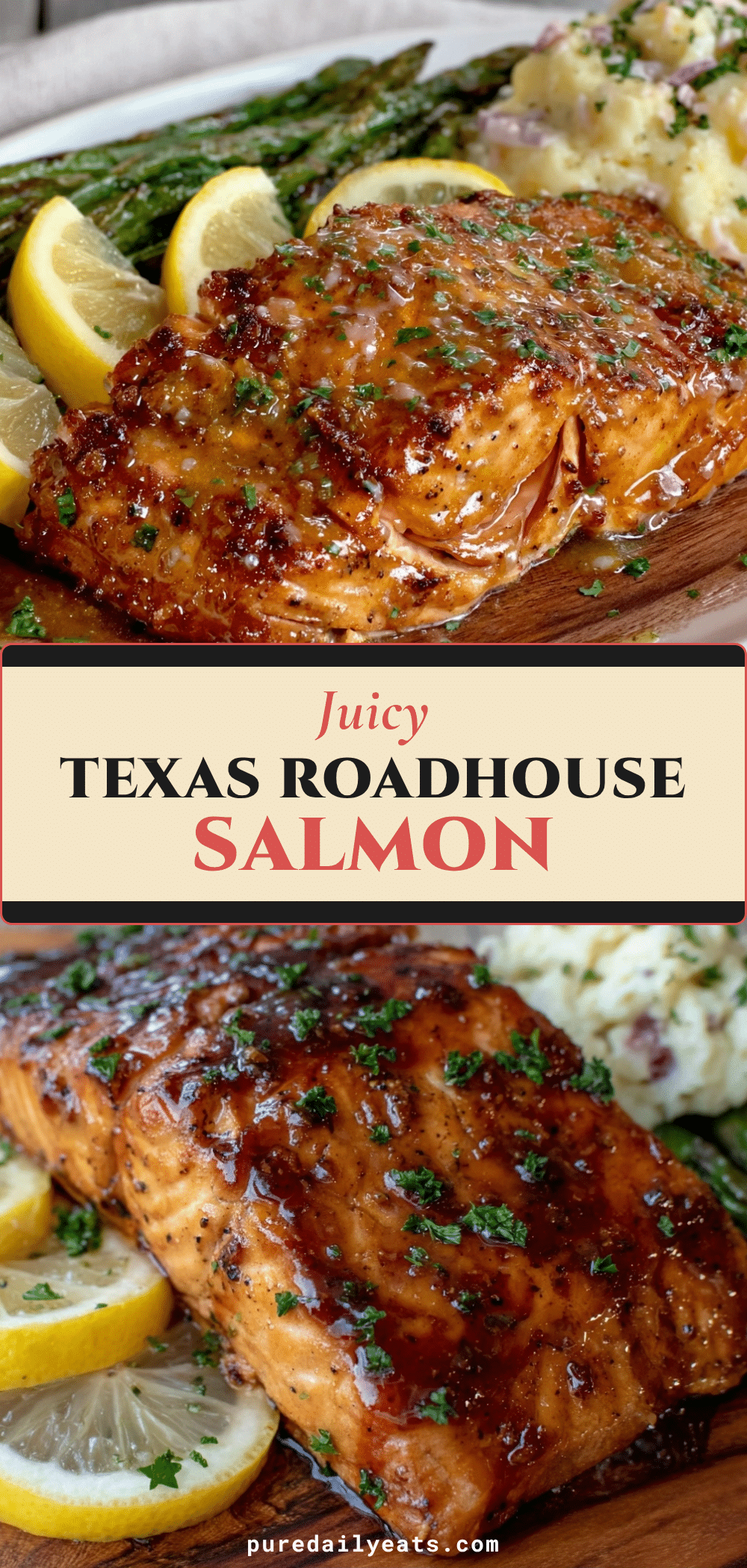

Texas Roadhouse Style Salmon: Easy Lemon Butter Recipe
- Total Time: 20 minutes
- Yield: 4 servings 1x
Description
A quick and easy weeknight dinner featuring pan-seared salmon with a sweet, tangy, and salty lemon butter glaze inspired by Texas Roadhouse. This recipe is healthier than the restaurant version and comes together in under 20 minutes.
Ingredients
- 4–6 oz salmon fillets (skin-on)
- 4 tablespoons unsalted butter
- 2 tablespoons extra virgin olive oil
- 3–4 cloves garlic, minced
- 2 tablespoons fresh lemon juice
- 2 tablespoons dry white wine (e.g., Sauvignon Blanc)
- 1 tablespoon honey
- 1 tablespoon brown sugar
- 1 teaspoon Dijon mustard
- Kosher salt and freshly cracked black pepper
- Fresh parsley, chopped (for garnish)
- Lemon zest (optional, for garnish)
Instructions
- Pat salmon fillets dry with paper towels and season generously with salt and pepper. Let sit at room temperature for 10 minutes.
- Heat olive oil in a cast iron or heavy-bottomed skillet over medium-high heat until shimmering.
- Place salmon skin-side down in the pan. Press gently and cook undisturbed for 4-5 minutes until skin is crispy.
- Flip fillets and cook for another 2-4 minutes until internal temperature reaches 145°F. Remove fish and set aside on a plate, covering loosely with foil.
- Reduce heat to medium. Add butter to the same skillet. Once melted, add garlic and cook for 30 seconds until fragrant.
- Pour in white wine and lemon juice, scraping up browned bits from the pan. Simmer for 1-2 minutes to reduce.
- Stir in honey, brown sugar, and Dijon mustard. Whisk until smooth and sugar is dissolved.
- Return salmon to the pan, spooning glaze over the top. Cook for 1 minute to absorb flavors.
- Remove from heat, garnish with fresh parsley and lemon zest, and serve immediately.
Notes
Ensure salmon is patted very dry before cooking to achieve a crispy skin. Do not overcrowd the pan; cook in batches if necessary. The salmon continues to cook after removal from heat, so remove when just barely opaque in the center. If the sauce is too thick, add a splash of water or broth.
- Prep Time: 10 minutes
- Cook Time: 10 minutes
- Category: Main Course
- Cuisine: American
Nutrition
- Serving Size: 1 fillet with glaze
- Calories: 375
- Sugar: 10
- Sodium: 450
- Fat: 22
- Saturated Fat: 8
- Carbohydrates: 12
- Protein: 30
Keywords: salmon recipe, lemon butter salmon, Texas Roadhouse copycat, quick dinner, healthy seafood, pan-seared salmon, weeknight meals