The smell of hot oil and crispy batter hitting the pan is enough to make any hungry person stop in their tracks. I still remember my first trip to a small, dimly lit pub in Edinburgh. It was raining sideways, and the air inside smelled like roasted malt and fried seafood. I ordered the fish and chips, expecting the usual soggy, heavy coating you often get at tourist traps. Instead, I got something light, airy, and impossibly crunchy. The batter dissolved on my tongue like a cloud, leaving behind perfectly flaky white fish. That moment changed how I think about cooking fish at home. I spent the next few years trying to recreate that magic, testing dozens of batters until I finally nailed the perfect ratio.
There is something deeply satisfying about making pub style beer battered fish in your own kitchen. It feels like a treat, but it is actually quite simple if you know the secrets. You do not need to be a professional chef to get that golden, shatteringly crisp exterior. Honestly, the hardest part is waiting for the oil to heat up. Once you master the technique, you will wonder why you ever ordered takeout. This recipe is perfect for Friday night dinners, game day gatherings, or just when you need a little comfort food boost.
I have tested this pub style beer battered fish recipe over a dozen times. I started with heavy beer and thick flour, which resulted in a doughy mess. Then I tried light beers and panko, which was too coarse. The sweet spot lies in the middle. You want a batter that is thin enough to coat the fish but thick enough to cling. Using a cold beer is non-negotiable for that light texture. It creates steam pockets as it hits the hot oil, puffing up the crust without making it greasy. Let’s face it, nobody likes heavy, oil-soaked fish. You want something that tastes fresh and bright, even with the deep frying.
This dish is great for families, date nights, or anyone who loves the classic fish and chips experience. It pairs beautifully with tartar sauce and lemon wedges. I also love serving it with a simple green salad to cut through the richness. The key is in the details: the temperature of the oil, the type of fish, and the carbonation in your beer. Once you try this version, you will never go back to boxed mixes or frozen options. It is worth the effort, and the results are always impressive.
Why You’ll Love This Recipe
After spending years perfecting this dish, I can confidently say that this is the only pub style beer battered fish recipe you will ever need. It is not just about the taste; it is about the experience of cooking it. There is a specific joy in watching the batter transform in the oil, turning from a pale liquid into a golden, bubbling masterpiece. I have shared this recipe with friends who are skeptical of frying at home, and every single one has been surprised by how clean and crisp the results are. It feels like a cheat code for dinner.
- Quick & Easy Prep: The batter comes together in under five minutes. You just whisk the dry ingredients, add the beer, and you are ready to dip. It is perfect for busy weeknights when you want something special but don’t have hours to spend in the kitchen.
- Simple Ingredients: You likely already have everything you need in your pantry. Flour, baking powder, salt, pepper, and a bottle of beer. No fancy grocery trips or obscure spices required. It uses humble ingredients to create restaurant-quality results.
- Perfect for Game Day: This recipe scales up beautifully. Make a big batch for your next football party or backyard barbecue. It is the ultimate finger food that keeps people coming back for more.
- Crowd-Pleaser: Kids and adults alike love the contrast between the crunchy exterior and the tender fish inside. It is a reliable winner at potlucks and family dinners.
- Unbelievably Delicious: The carbonation from the beer creates a lacy, delicate crust that holds up well even after sitting for a few minutes. The flavor is slightly malty and savory, which complements the mild fish perfectly.
What makes this recipe different is the attention to temperature control. Many recipes tell you to fry the fish, but they don’t explain how to keep the oil at the right temperature. I include tips on how to manage the heat so your batter doesn’t burn before the fish cooks through. It is about balance. This isn’t just another fried fish recipe; it is the result of trial and error to get that authentic pub taste. It is the kind of meal that makes you close your eyes after the first bite. It brings back memories of cozy pubs and rainy evenings, but made in your own home.
What Ingredients You Will Need
This recipe relies on a few key components to achieve that signature light and crispy texture. The quality of your ingredients matters, especially the fish and the beer. You want fresh, firm white fish that won’t fall apart in the oil. A cold beer is essential because the shock of the cold liquid hitting the hot oil helps create steam, which lifts the batter and makes it airy. Here is what you will need to gather before you start cooking.
- White Fish Fillets: Cod, haddock, or pollock work best. Look for fresh fillets that are about 6 ounces each. Avoid frozen fish if possible, as the excess moisture can make the batter slide off. If you must use frozen, thaw it completely and pat it very dry. (Adds richness and firm texture)
- All-Purpose Flour: This is the base of your batter. Do not swap this for cake flour or bread flour, as the protein content will change the texture. All-purpose gives you the perfect balance of crispness and tenderness. (About 1 cup)
- Baking Powder: This is the secret weapon. It reacts with the heat to create bubbles in the batter. Make sure it is fresh, as old baking powder loses its potency. (1 teaspoon)
- Beer: Use a light lager or pilsner. Hearty stouts or IPAs can overpower the delicate flavor of the fish. The beer must be ice-cold straight from the fridge. (About 1 cup)
- Egg Yolk: Adding just the yolk helps bind the batter without making it too heavy or eggy. It adds a subtle richness that complements the malt in the beer. (1 large egg yolk)
- Salt and Pepper: Season the batter generously. You want the crust to have flavor on its own, not just the fish inside. (To taste)
- Cornstarch: A small amount of cornstarch helps with crispiness and prevents the flour from becoming too doughy. (2 tablespoons)
- Vegetable or Canola Oil: You need enough oil to submerge the fish halfway for frying. These oils have high smoke points and neutral flavors. (About 2 quarts for frying)
- Lemon: Fresh lemon wedges are essential for serving. The acidity cuts through the fried batter and brightens the dish. (1 or 2 lemons)
I recommend using a reliable brand of flour for consistency. For the beer, stick to something you would actually drink. If you don’t like beer, you can substitute it with sparkling water, but the flavor will be slightly different. The sparkling water still provides the necessary carbonation for a light batter. Make sure to pat your fish fillets dry with paper towels before dipping them. Any moisture on the surface will cause the batter to slip off in the oil.
How Do I Choose the Best Fish for Frying?
When selecting fish for this pub style beer battered fish recipe, look for firm, white-fleshed varieties. Cod is the classic choice because it flakes easily and has a mild flavor. Haddock is another excellent option, often found in traditional fish and chips shops. Pollock is a more affordable alternative that works well too. Avoid fish with strong odors or oily textures, like salmon or mackerel, as they do not pair well with this specific batter style.
Equipment Needed

You do not need fancy gadgets to make great beer battered fish, but having the right tools makes the process much easier and safer. The most important piece of equipment is a heavy-bottomed pot or Dutch oven. Thin pots lose heat quickly when you add cold fish, which can lead to greasy results. A cast-iron skillet also works well if you are frying smaller batches.
You will need a deep-fry thermometer. This is not optional if you want consistent results. Guessing the oil temperature is a common mistake that leads to burnt batter or undercooked fish. Having a thermometer takes the guesswork out of the process. If you do not have one, you can test the oil by dropping a tiny bit of batter in. If it sizzles and floats to the top immediately, the oil is ready.
A wire rack set over a baking sheet is essential for draining the fried fish. Never place fried food on paper towels, as the steam gets trapped underneath and makes the bottom soggy. The rack allows air to circulate, keeping the entire piece of fish crispy. I also recommend using tongs with a long handle for flipping the fish safely. Long chopsticks can work in a pinch, but tongs give you better control.
For mixing the batter, a medium-sized bowl and a whisk are all you need. Make sure your bowl is large enough to hold the fish fillets if you are dipping them directly, or use a separate shallow dish for the batter. I prefer a shallow dish so I can easily coat the fish without making a mess. Keep your workspace clean and organized. Having everything ready before you heat the oil will help you stay calm and focused.
Preparation Method
Getting the preparation right is half the battle. Follow these steps carefully to ensure your pub style beer battered fish comes out perfectly every time. The process is straightforward, but timing is everything.
- Prepare the Fish: Start by patting your fish fillets completely dry with paper towels. Moisture is the enemy of crispy batter. Cut the fillets into even-sized strips or keep them whole, depending on your preference. Season the fish lightly with salt and pepper. This step should take about 5 minutes. Ensure the fish is cold from the refrigerator, which helps the batter adhere better.
- Make the Dry Mix: In a large bowl, whisk together the all-purpose flour, cornstarch, baking powder, salt, and black pepper. Sifting these ingredients helps remove lumps and aerates the flour, leading to a lighter batter. Make sure there are no clumps of baking powder, as they can leave bitter spots. This takes about 2 minutes.
- Combine Wet and Dry: In a separate small bowl, whisk the egg yolk with the cold beer. Then, slowly pour this mixture into the dry ingredients while whisking constantly. The batter should be the consistency of heavy cream. It should coat the back of a spoon but still drip off easily. Do not overmix; a few small lumps are okay. Overmixing develops gluten and makes the batter tough. This step takes about 3 minutes.
- Heat the Oil: Pour about two inches of oil into your Dutch oven or heavy pot. Heat it over medium-high heat until it reaches 375°F (190°C). Use your thermometer to monitor the temperature. This can take 10-15 minutes depending on your stove. Do not leave the hot oil unattended.
- Dip the Fish: Take a piece of fish and dip it into the batter, ensuring it is fully coated. Let any excess batter drip back into the bowl for a few seconds. This prevents the batter from falling off in the oil. Carefully lower the fish into the hot oil using tongs. Do not drop it from high up, as oil will splash. Fry 2-3 pieces at a time, depending on the size of your pot.
- Fry Until Golden: Cook the fish for about 3-4 minutes per side. Do not move the fish too much while it is frying, as this allows the crust to set. Flip the fish once when the bottom is golden brown and crispy. The total cooking time will depend on the thickness of the fillets. Thicker pieces may need a minute longer. Remove when the internal temperature reaches 145°F (63°C).
- Drain and Serve: Transfer the fried fish to the wire rack. Sprinkle with a little extra salt while it is still hot. Serve immediately with lemon wedges and your favorite dipping sauce. The fish is best eaten right out of the oil for maximum crispiness.
If the oil temperature drops too low, the fish will absorb oil and become greasy. If it gets too high, the batter will burn before the fish is cooked. Adjust the heat as needed. If you are frying a large batch, let the oil return to 375°F between batches. This patience pays off in the final texture.
Cooking Tips & Techniques
There are a few tricks I have learned over the years that can make or break your fried fish. The first is keeping everything cold. From the beer to the fish, cold ingredients help create the best texture. When the cold batter hits the hot oil, the sudden temperature difference causes rapid steam production, which creates those tiny air pockets in the crust. This is what makes it light and airy rather than dense and doughy.
Another common mistake is overcrowding the pan. When you add too much fish at once, the oil temperature plummets. The fish then sits in lukewarm oil, soaking up grease instead of frying. Fry in small batches. It might take longer, but the results are worth it. You want each piece to have space to move slightly in the oil, which ensures even cooking.
I also recommend double-frying for extra crunch, similar to french fries. Fry the fish once at a lower temperature (350°F) for 2 minutes to cook the inside. Remove and let it rest on the rack for a minute. Then, fry again at 375°F for 1-2 minutes to crisp up the exterior. This technique ensures the fish is fully cooked and the crust is shatteringly crisp. It is a bit more work, but it elevates the dish significantly.
Pay attention to the color of the oil. If it starts to smoke, it is too hot. If it looks cloudy, it is time to change it. Using fresh oil for each batch or each session ensures the best flavor. Old oil can impart a rancid taste to your delicate fish. Also, keep a spray bottle of water nearby for emergencies, though you should never throw water on a grease fire. A lid for your pot is essential to smother any potential flames.
Finally, do not skip the resting step on the wire rack. Placing fried food directly on a plate traps steam. The rack allows heat to escape from all sides, preserving the crunch. It is a small detail that makes a big difference in the overall eating experience.
Variations & Adaptations
While the classic pub style beer battered fish is a timeless favorite, there are several ways to tweak the recipe to suit your tastes or dietary needs. These variations allow you to keep the spirit of the dish while exploring new flavors.
Gluten-Free Option: You can substitute the all-purpose flour with a 1:1 gluten-free flour blend. Make sure the blend includes xanthan gum for structure. The texture might be slightly more delicate, so handle the fish gently. Cornstarch can be increased slightly to help with crispiness.
Spicy Kick: Add a teaspoon of cayenne pepper or paprika to the dry mix. For a hotter version, mix some crushed red pepper flakes into the batter. This pairs wonderfully with tartar sauce and cuts through the richness of the fried coating.
Different Beer Styles: While light lagers are traditional, you can experiment with other beers. A wheat beer adds a subtle citrus note. A amber ale gives a deeper, caramel-like flavor. Avoid heavily hopped IPAs, as the bitterness can be overwhelming when fried. The key is to use a beer you enjoy drinking.
Vegetarian Version: Swap the fish for thick slices of portobello mushrooms or battered zucchini sticks. The batter works equally well on vegetables. Just adjust the cooking time, as vegetables cook much faster than fish. Mushrooms need about 2-3 minutes per side.
Herb Infused: Add dried thyme, parsley, or dill to the flour mixture. Herbs add freshness and complexity to the crust. Be careful not to add too much, as fresh herbs can burn in hot oil. Dried herbs are more stable at high temperatures.
I once tried using sparkling water instead of beer for a friend who does not drink. It worked surprisingly well, creating a very light and neutral crust. It lacked the malty depth of the beer version, but it was still delicious. You can also add a splash of vodka to the batter; the alcohol evaporates quickly, leaving an extra-crispy texture. It is a trick many professional chefs use.
Serving & Storage Suggestions
Serving your pub style beer battered fish correctly enhances the entire meal. The classic pairing is, of course, thick-cut chips (fries) and mushy peas. A simple tartar sauce made with mayonnaise, pickles, capers, and lemon juice is a must. I also love a quick aioli made with garlic and lemon zest for a modern twist.
Present the fish on a warm plate with lemon wedges on the side. Squeeze the lemon over the fish just before eating to add brightness. A side of coleslaw adds a nice crunchy contrast and a creamy element to balance the fried texture. For a lighter option, serve with a mixed green salad with a vinaigrette dressing.
Leftovers can be stored in an airtight container in the refrigerator for up to two days. However, fried fish is best eaten fresh. To reheat, use an air fryer or a conventional oven at 400°F for 5-7 minutes. This helps restore some of the crispiness. Avoid the microwave, as it will make the batter soggy and chewy. The microwave is fine for the fish inside, but it ruins the crust.
Do not freeze leftover battered fish. The batter tends to separate and become greasy upon thawing. It is better to freeze the raw fish fillets and batter them fresh when you are ready to cook. This ensures the best texture and flavor every time.
Nutritional Information & Benefits
While fried food is often viewed as indulgent, white fish is actually a lean and healthy protein source. Cod and haddock are low in fat and high in essential nutrients like vitamin B12, selenium, and phosphorus. These nutrients support heart health and brain function. The beer batter adds calories and carbohydrates, so it is best enjoyed in moderation as part of a balanced diet.
One serving of this pub style beer battered fish contains approximately 400-500 calories, depending on the size of the fillet and the amount of oil absorbed. The protein content is around 25-30 grams. To make it slightly lighter, you can drain the fish on a paper towel to remove excess surface oil. Using a high-smoke point oil like avocado oil can also be a healthier alternative, though it changes the flavor profile slightly.
For those watching their sodium intake, you can reduce the salt in the batter and rely on the lemon and herbs for flavor. This dish is naturally gluten-free if you use a gluten-free flour blend, making it accessible for more people. It is a comforting meal that can fit into various dietary preferences with a few simple adjustments. Enjoy it as a special treat rather than a daily staple.
Conclusion
Making pub style beer battered fish at home is easier than you think, and the results are absolutely worth the effort. It brings the cozy atmosphere of a local pub right to your dining table. With the right technique and a few simple ingredients, you can achieve that perfect golden, crispy crust and tender, flaky fish inside. I hope this recipe becomes a staple in your kitchen, just as it has become in mine.
I encourage you to experiment with different types of fish and beers to find your favorite combination. Don’t be afraid to add your own twists, like spicy spices or fresh herbs. Cooking is about creativity and having fun in the kitchen. Once you master this batter, you will be able to fry almost anything with confidence.
If you try this recipe, I would love to hear how it turns out for you. Leave a comment below with your thoughts or share a photo of your creation. Tag me on social media so I can see your delicious results. Happy cooking, and enjoy every bite of your homemade pub style beer battered fish!
FAQs
Can I use frozen fish for this recipe?
Yes, you can use frozen fish, but it is important to thaw it completely and pat it very dry with paper towels. Excess moisture from frozen fish can cause the batter to slide off in the oil. Fresh fish is preferred for the best texture, but frozen works in a pinch.
What is the best beer to use for beer battered fish?
A light lager or pilsner is the traditional choice because it has a mild flavor that does not overpower the fish. It also provides the necessary carbonation for a light batter. Avoid heavy stouts or very hoppy IPAs, as they can make the batter taste bitter or too strong.
How do I keep the batter from falling off the fish?
The key is to ensure the fish is completely dry before dipping. Also, make sure the batter is the right consistency—thick enough to coat but thin enough to drip. Let the excess batter drip off for a few seconds before lowering the fish into the oil. This helps the batter set properly.
Can I bake this instead of frying?
Baking will not give you the same crispy texture as frying. The batter needs hot oil to puff up and become golden and crunchy. If you must bake, you can spray the battered fish with oil and bake at 400°F, but it will be more like a breaded coating than a true beer batter.
How do I know when the oil is the right temperature?
Use a deep-fry thermometer to check that the oil is at 375°F (190°C). If you do not have one, drop a small amount of batter into the oil. If it sizzles immediately and rises to the surface, the oil is ready. If it sinks, the oil is too cold. If it burns instantly, it is too hot.
Pin This Recipe!

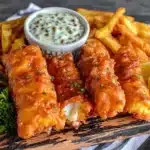
Pub Style Beer Battered Fish: 5-Step Easy Recipe
- Total Time: 30 minutes
- Yield: 4 servings 1x
Description
Achieve light, airy, and shatteringly crispy beer-battered fish at home with this easy pub-style recipe. Using cold beer and proper oil temperature ensures a golden crust without the grease.
Ingredients
- 1 cup All-Purpose Flour
- 2 tablespoons Cornstarch
- 1 teaspoon Baking Powder
- 1 large Egg Yolk
- 1 cup Light Lager or Pilsner (ice-cold)
- Salt and Black Pepper (to taste)
- 6 oz White Fish Fillets (Cod, Haddock, or Pollock), cut into strips
- 2 quarts Vegetable or Canola Oil (for frying)
- 1 or 2 Lemons (cut into wedges for serving)
Instructions
- Pat the fish fillets completely dry with paper towels and season lightly with salt and pepper.
- In a large bowl, whisk together the flour, cornstarch, baking powder, salt, and black pepper.
- In a separate small bowl, whisk the egg yolk with the cold beer.
- Slowly pour the beer mixture into the dry ingredients while whisking constantly until the batter reaches the consistency of heavy cream. Do not overmix.
- Heat about two inches of oil in a Dutch oven or heavy pot to 375°F (190°C).
- Dip a piece of fish into the batter, ensuring it is fully coated. Let excess batter drip off for a few seconds.
- Carefully lower the fish into the hot oil using tongs. Fry 2-3 pieces at a time.
- Fry for 3-4 minutes per side until golden brown and crispy. Flip once when the bottom is set.
- Remove fish when the internal temperature reaches 145°F (63°C).
- Transfer fried fish to a wire rack set over a baking sheet to drain. Sprinkle with extra salt while hot.
- Serve immediately with lemon wedges and tartar sauce.
Notes
Ensure the beer and fish are cold to create steam pockets for a light batter. Do not overcrowd the pan to maintain oil temperature. For extra crunch, double-fry at 350°F then 375°F. Store leftovers in the fridge for up to 2 days and reheat in an oven or air fryer; do not microwave.
- Prep Time: 15 minutes
- Cook Time: 15 minutes
- Category: Main Course
- Cuisine: British
Nutrition
- Serving Size: 1 fillet with batter
- Calories: 450
- Sugar: 1
- Sodium: 400
- Fat: 22
- Saturated Fat: 3
- Carbohydrates: 35
- Fiber: 1
- Protein: 28
Keywords: beer battered fish, pub style fish, crispy fried fish, cod recipe, haddock, fish and chips, deep frying, easy dinner, game day food