It was raining sideways in Osaka, and my wallet was practically empty. I ducked into a tiny, steam-filled hibachi counter just to escape the storm. The chef, a man with forearms like tree trunks, flipped a piece of steak with such force it nearly kissed the ceiling. He slid a plate in front of me, and I took one bite. Honestly, it was better than any five-star restaurant I’d ever visited back home. The rice was fluffy, the steak was tender, and the sauce had this perfect balance of sweet and savory that hit every nerve ending. I finished the bowl in two minutes flat and left feeling like I’d just been fed by a god.
Fast forward to last Tuesday. I was exhausted from work, the kids were screaming, and I didn’t want to order takeout again. I looked in my fridge and saw some flank steak and leftover rice. I thought, “Why not recreate that Osaka magic at home?” I didn’t have a teppanyaki grill, but I did have a cast-iron skillet. I chopped up some onions, threw in some frozen corn, and made a quick soy-ginger glaze. The smell that filled the house was incredible. My husband walked in, sniffed the air, and asked if we were having dinner at the restaurant. I told him no, we were having Hibachi Steak Bowl. He didn’t believe me until he tasted it.
This Hibachi Steak Bowl recipe is my answer to the “what’s for dinner?” panic. It’s not about fancy techniques or expensive equipment. It’s about taking simple, accessible ingredients and turning them into something that feels special. You know how some recipes require you to buy five different spices you’ll only use once? This isn’t one of those. You probably already have most of this in your pantry. The key is high heat and a good sauce. Once you master this, you’ll make it on rotation. It’s the kind of meal that makes you forget about the stress of the day. Let’s face it, life is hard enough. Dinner should be easy, delicious, and satisfying. This bowl delivers on all fronts without keeping you in the kitchen for hours.
Why You’ll Love This Recipe
After testing this Hibachi Steak Bowl over a dozen times, I’ve found that the secret isn’t just in the ingredients—it’s in the method. I’ve tried using different cuts of beef, different rices, and even different sauces. Some worked okay, but this version? It’s the gold standard. It’s the kind of recipe that makes you close your eyes after the first bite. It’s comfort food reimagined—faster, but with the same soul-soothing satisfaction as a night out at a Japanese steakhouse. Here is why this specific combination works so well for your weekly meal plan.
- Quick & Easy: This comes together in under 30 minutes. I know, it sounds too good to be true, but with a hot skillet and pre-chopped veggies, you’re eating in no time. Perfect for those busy weeknights when you’re running on fumes.
- Simple Ingredients: No fancy grocery trips needed. You likely already have soy sauce, ginger, garlic, and onions in your kitchen. The only thing you might need to grab is flank steak and maybe some frozen corn or peas. It’s pantry-friendly and stress-free.
- Perfect for Meal Prep: These bowls store beautifully. I often make a double batch on Sunday. By Wednesday, when my willpower is low, I have a hearty, protein-packed meal ready to go. It reheats well, though I recommend adding a splash of water to the rice to keep it fluffy.
- Crowd-Pleaser: Even my picky eater, who usually turns his nose up at anything with “foreign” origins, devours this. The sweet and savory sauce is universally loved. It’s great for family dinners, date nights at home, or even potlucks where you want to impress without sweating.
- Unbelievably Delicious: The texture combo is next-level. You get the char from the steak, the crunch from the onions and corn, and the softness of the rice. It’s a sensory experience that keeps you coming back for seconds.
- Customizable: Hate mushrooms? Skip them. Love spicy food? Add some sriracha to the sauce. This recipe is a canvas. It adapts to your taste buds and dietary needs without losing its core identity.
What makes this recipe different from the rest is the attention to the sear. Most people boil their veggies or steam their steak. We are going to high-heat sear everything. This creates that signature “hibachi” flavor—the slightly charred, caramelized bits that add depth. It’s not just another version of stir-fry; it’s your best version. It’s the kind of meal that turns a simple Tuesday into something memorable.
What Ingredients You Will Need
This recipe uses simple, wholesome ingredients to deliver bold flavor and satisfying texture without the fuss. The magic happens in the balance of salty, sweet, and umami. You don’t need exotic items, just quality basics. Here is exactly what you need to pull this off.
For the Steak
- Flank Steak: 1.5 pounds. This cut is lean and has a great beefy flavor. It soaks up the marinade beautifully. I recommend looking for steaks that are about an inch thick for even cooking.
- Soy Sauce: 2 tablespoons. Use a good quality soy sauce. I prefer Kikkoman or a tamari if you need gluten-free. It provides the salty base for the marinade.
- Garlic: 3 cloves, minced. Fresh garlic is non-negotiable here. Powdered garlic just doesn’t give you that punch.
- Fresh Ginger: 1 teaspoon, grated. Grate it yourself. Pre-minced ginger in jars often tastes metallic and lacks the bright, spicy kick of fresh root.
- Black Pepper: 1/2 teaspoon. Freshly cracked is best.
For the Vegetables
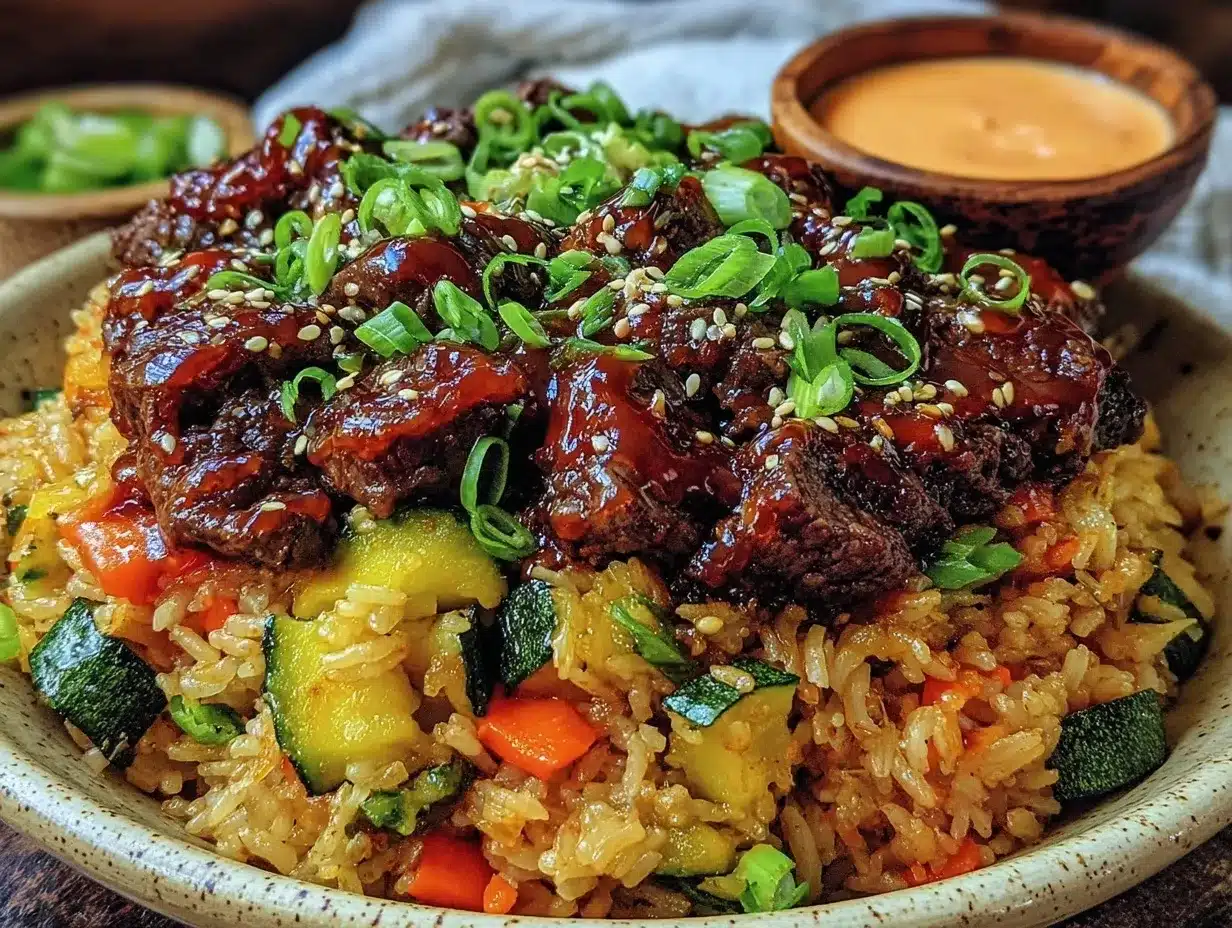
- Yellow Onion: 1 medium, sliced into half-moons. This is crucial. Hibachi onions are famous for a reason. They caramelize and add sweetness.
- Frozen Corn: 1 cup. Thawed. This adds a nice pop of sweetness and color. You can use fresh corn if it’s in season, but frozen works perfectly and saves time.
- Peas: 1/2 cup. Frozen or fresh. They add a nice green contrast and a little extra crunch.
- Button Mushrooms: 8 ounces, sliced. Optional, but highly recommended. They add an earthy umami flavor that complements the beef.
For the Sauce
- Mayonnaise: 2 tablespoons. Yes, mayo. It creates a creamy, rich texture that mimics the sauces served at hibachi restaurants. I recommend Hellmann’s or Kewpie for best texture.
- Worcestershire Sauce: 1 teaspoon. Adds depth and tang.
- Rice Vinegar: 1 teaspoon. Brightens up the sauce so it isn’t too heavy.
- Sugar: 1 teaspoon. Balances the saltiness of the soy and Worcestershire.
- Chili Oil or Sriracha: 1 teaspoon. Adjust based on your heat tolerance. It adds a nice kick.
For Serving
- Cooked Rice: 4 cups. Jasmine or short-grain white rice works best. It’s sticky enough to hold the bowl together. If you don’t have leftover rice, cook it ahead of time. Cold rice actually works better for frying, but fresh rice is fine here.
- Green Onions: 2 stalks, sliced. For garnish and a fresh onion bite.
- Sesame Seeds: 1 tablespoon. Toasted if you have time. Adds a nutty finish.
Substitution note: If you need a gluten-free option, swap regular soy sauce for tamari and ensure your Worcestershire is gluten-free (some brands contain malt vinegar). For the mayo, you can use a vegan alternative if needed, though dairy mayo provides the classic texture.
Equipment Needed
You don’t need a $2,000 teppanyaki grill to make this. In fact, I find that a heavy-bottomed skillet gives me better control. Here is what you need.
- Cast-Iron Skillet or Carbon Steel Pan: This is the most important tool. It retains heat incredibly well, which is essential for getting a good sear on the steak and onions. If you don’t have cast iron, a heavy stainless steel skillet works too. Avoid thin non-stick pans as they won’t get hot enough.
- Chef’s Knife: A sharp knife makes slicing the steak and onions much easier and safer. Dull knives slip and cause accidents.
- Large Mixing Bowl: For marinating the steak. Any medium-sized bowl will do.
- Small Bowl: For mixing the sauce.
- Spatula: A sturdy metal or heat-resistant silicone spatula is best for flipping the steak and stirring the veggies. You need something that can handle high heat.
- Rice Cooker or Medium Saucepan: For cooking the rice. If you’re using a saucepan, make sure it has a tight-fitting lid to steam the rice properly.
Personal tip: I used to use a non-stick pan for everything, but I switched to cast iron five years ago and never looked back. It makes everything taste better. If you’re new to cast iron, just remember to season it and avoid cooking acidic foods in it for too long. But for this recipe, it’s perfect. Also, make sure your pan is hot before you add oil. A cold pan leads to steaming, not searing.
Preparation Method
Let’s get cooking. This process is straightforward, but timing is everything. We want everything ready to hit the pan at the same time.
Step 1: Marinate the Steak (10 minutes)
Slice the flank steak against the grain into thin strips. This is critical for tenderness. If you cut with the grain, the steak will be chewy. Place the strips in a mixing bowl. Add the soy sauce, minced garlic, grated ginger, and black pepper. Toss everything together until the steak is evenly coated. Let it sit while you prep the other ingredients. This doesn’t need hours; 10 minutes is enough to infuse flavor. If you have time, let it sit for 30 minutes in the fridge, but don’t rush it too long or the acid in the soy sauce can start to “cook” the meat, changing the texture.
Step 2: Cook the Rice (20-25 minutes)
Start the rice first if you haven’t already. Rinse the rice under cold water until the water runs clear. This removes excess starch and prevents clumping. Combine the rice and water in your rice cooker or saucepan (usually a 1:1.5 ratio). Cook according to your appliance’s instructions. Once done, fluff it with a fork and keep it warm. Pro tip: If you have leftover rice from last night, that’s actually better. Cold rice has less moisture and fries up with a better texture. But fresh rice is totally fine for this bowl.
Step 3: Prepare the Veggies and Sauce (5 minutes)
While the steak marinates and rice cooks, slice your onion into half-moons. Slice the mushrooms. Thaw the corn and peas if frozen. In a small bowl, whisk together the mayonnaise, Worcestershire sauce, rice vinegar, sugar, and chili oil. Set this aside. The sauce is ready to go.
Step 4: Sear the Steak (3-4 minutes)
Heat your cast-iron skillet over high heat. Add a tablespoon of high-smoke-point oil, like avocado or canola. Wait until the oil shimmers and just starts to smoke. This means it’s hot enough. Add the steak in a single layer. Do not overcrowd the pan. If you have a large skillet, you might fit it all. If not, cook in batches. Overcrowding steams the meat. Sear for 1-2 minutes per side until you get a nice brown crust. The inside should be medium-rare to medium. Remove the steak to a plate and let it rest. Resting is key; it lets the juices redistribute. If you cut it immediately, all the juice runs out, and the meat gets dry.
Step 5: Cook the Vegetables (5-6 minutes)
In the same pan, add a little more oil if needed. Toss in the onions first. They take the longest to soften. Sauté for 2-3 minutes until they start to turn translucent and slightly browned. Add the mushrooms and cook for another 2 minutes. Finally, add the corn and peas. Toss everything together for 1 minute. You want the veggies to be tender-crisp, not mushy. The goal is to get those nice charred bits on the onions and corn.
Step 6: Assemble the Bowl (2 minutes)
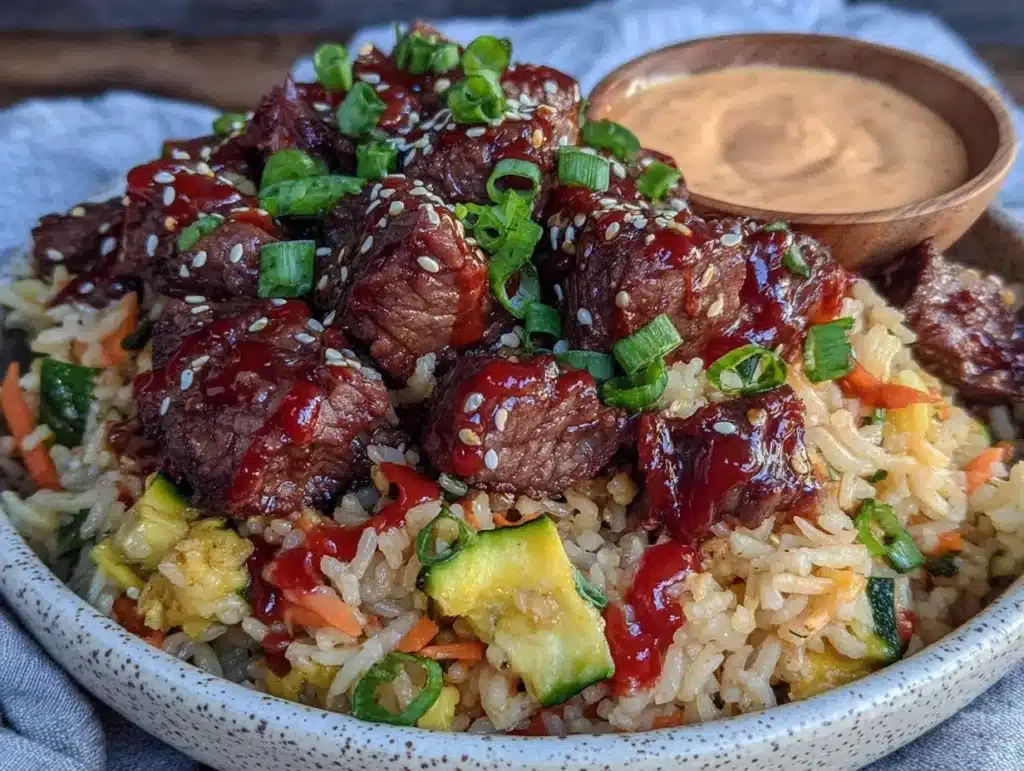
Slice the rested steak against the grain again. This ensures every bite is tender. Place a scoop of hot rice in the bottom of a bowl. Top with the vegetable mixture. Arrange the steak slices on top. Drizzle generously with the sauce. Garnish with sliced green onions and sesame seeds. Serve immediately while everything is hot.
Troubleshooting note: If your steak is sticking to the pan, it’s not hot enough. Wait another minute. If the onions are burning, lower the heat slightly. You want them to caramelize, not char to a crisp.
Cooking Tips & Techniques
I’ve made a few mistakes along the way, and I want you to avoid them. The biggest mistake people make is not heating the pan enough. Hibachi cooking is all about high heat. If your pan isn’t screaming hot, you’re not getting that flavor. Another common error is slicing the steak with the grain. I can’t stress this enough. Always slice against the grain. It transforms a tough cut into something tender.
When cooking the veggies, don’t stir them constantly. Let them sit for a minute to get some color. That browning is where the flavor lives. Also, keep your mise en place ready. Hibachi cooking moves fast. Once you start cooking the steak, you don’t have time to chop onions. Have everything prepped before you turn on the stove.
I once tried to make this with sirloin instead of flank. It was okay, but flank has a better texture for this style. It’s leaner and takes the marinade better. If you use sirloin, cook it for a shorter time to avoid drying it out. Also, don’t skip the resting step for the steak. I know it’s tempting to dig in immediately, but patience pays off. The meat will be juicier and more flavorful.
Multitasking is key here. While the steak rests, you’re cooking the veggies. While the veggies cook, you’re slicing the steak. Keep your workflow moving. And don’t be afraid to taste as you go. Adjust the sauce if it needs more salt or sweetness. Everyone’s palate is different.
Variations & Adaptations
This recipe is a template. You can tweak it to fit your needs. Here are a few ideas.
Chicken Version: Swap the steak for chicken thighs. Cut them into bite-sized pieces. Marinate them the same way. Cook them until they are no longer pink in the center. Chicken thighs stay juicier than breasts for this recipe.
Shrimp Hibachi: Use large shrimp. Peel and devein them. Sauté them for 2-3 minutes total. They cook very quickly, so add them to the pan at the very end with the peas. Don’t overcook them or they get rubbery.
Veggie-Only Bowl: Double the veggies. Add bell peppers, zucchini, or broccoli. Use a tofu or tempeh steak for protein. Marinate the tofu in the same soy-ginger mix. Pan-fry it until crispy. It’s a hearty, plant-based meal.
Spicy Kick: Add more chili oil or sriracha to the sauce. You can also add red pepper flakes to the steak marinade. If you like it hot, don’t hold back.
Low-Carb Option: Skip the rice. Serve over cauliflower rice. Sauté the cauliflower rice quickly so it doesn’t get soggy. It’s a great way to cut carbs without losing the flavor profile.
One variation I love is adding a fried egg on top. The runny yolk mixes with the sauce and rice to create a creamy, rich topping. It’s indulgent but totally worth it on a lazy Sunday.
Serving & Storage Suggestions
Serve this bowl hot, straight from the pan. The contrast of the hot steak and veggies with the cool sauce is delightful. Garnish with extra green onions and sesame seeds for a pop of color and texture. It pairs well with a simple miso soup or a light cucumber salad. For a beverage, try a cold green tea or a crisp lager.
Leftovers can be stored in an airtight container in the refrigerator for up to 3 days. The flavors actually meld together overnight, making the leftovers taste even better. To reheat, microwave the bowl for 1-2 minutes, or reheat in a skillet over medium heat. Add a splash of water if the rice seems dry. The steak can become tough if reheated too long, so be gentle.
Freezing is possible but not recommended for the steak. The texture changes upon thawing. You can freeze the rice and veggies separately, but the steak is best fresh. If you want to meal prep, cook the rice and veggies ahead, and cook the steak fresh when you’re ready to eat. This ensures the best texture.
Flavors develop over time, so the sauce might thicken in the fridge. Just stir it in when reheating. The onions will soften further, which some people prefer. It’s all about what you like.
Nutritional Information & Benefits
This bowl is a balanced meal. The steak provides high-quality protein, which is essential for muscle repair and satiety. The rice offers carbohydrates for energy. The veggies add fiber, vitamins, and minerals. It’s not a diet food, but it’s not junk food either. It’s wholesome, hearty fuel.
Per serving (approximate):
Calories: 650
Protein: 35g
Carbs: 60g
Fat: 25g
The sauce adds some fat and calories, but it’s worth it for the flavor. If you’re watching your sodium, use low-sodium soy sauce and reduce the amount of sauce you drizzle. For a gluten-free option, use tamari. This recipe is adaptable to many dietary needs. It’s a great way to enjoy comfort food without feeling guilty. I love that it’s filling but not heavy. You feel satisfied, not stuffed.
Conclusion
This Hibachi Steak Bowl is more than just dinner. It’s a way to bring a bit of joy to your weeknight routine. It’s easy, delicious, and satisfying. I hope you try it and make it your own. Don’t be afraid to experiment with the veggies or the spice level. That’s the fun of cooking. Share your creations with me in the comments. I love seeing how you adapt recipes. Thanks for reading, and happy cooking!
Frequently Asked Questions
Can I use a different cut of beef?
Yes, you can use skirt steak, sirloin, or even ribeye. Flank steak is preferred for its lean texture and ability to absorb marinade, but other cuts work too. Just adjust cooking time to avoid overcooking.
What kind of rice is best for this bowl?
Jasmine or short-grain white rice is best. They are slightly sticky, which helps hold the bowl together. Long-grain rice like basmati can work but might be too dry.
Can I make the sauce ahead of time?
Absolutely. The sauce can be made up to 3 days in advance. Store it in a jar in the fridge. It might thicken, so just stir it well before using.
Is this recipe gluten-free?
Not traditionally, due to the soy sauce. However, you can make it gluten-free by using tamari instead of soy sauce and ensuring your Worcestershire sauce is gluten-free.
How do I get the steak tender?
Slice against the grain, marinate for at least 10 minutes, and don’t overcook it. Medium-rare to medium is ideal for flank steak. Let it rest before slicing.
Pin This Recipe!
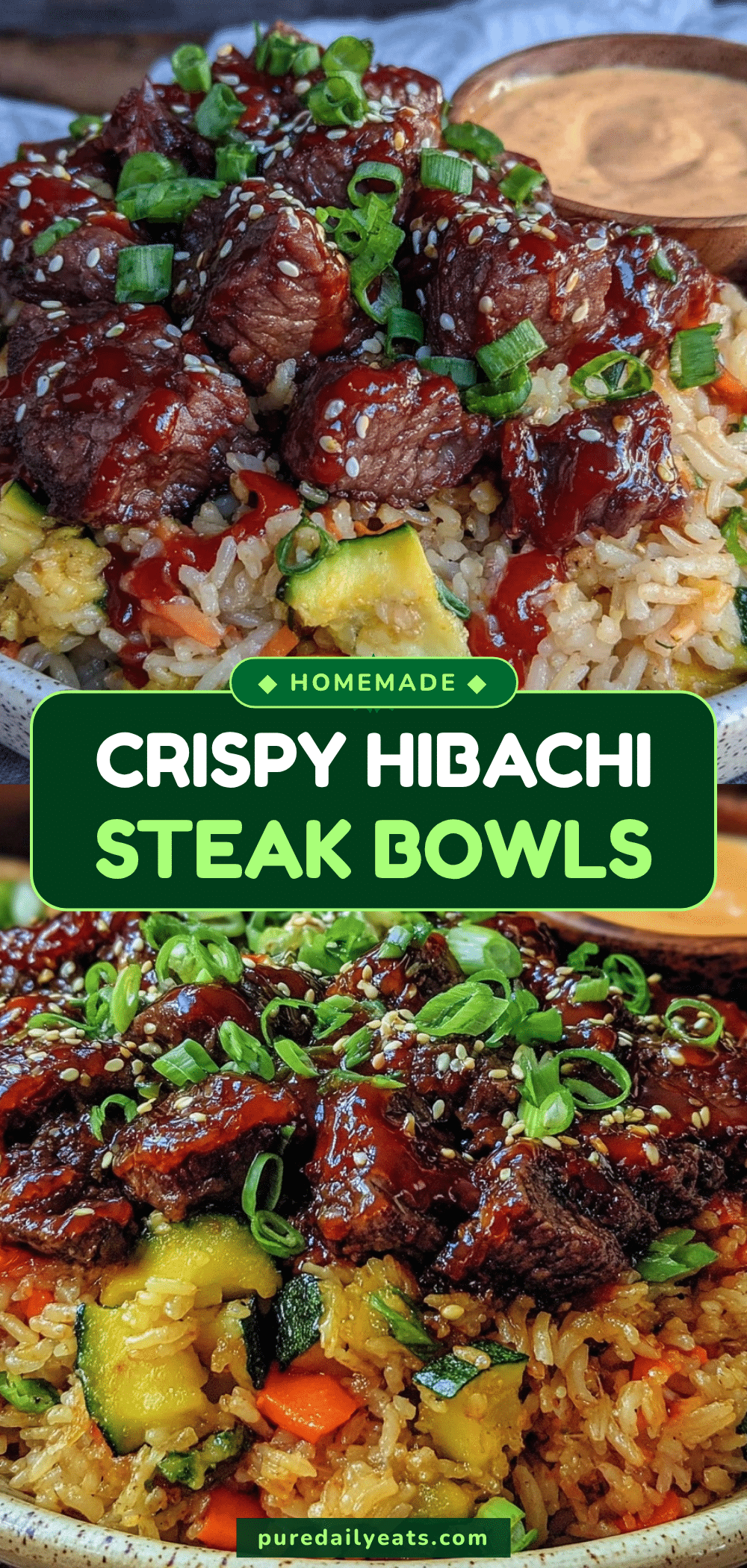

Hibachi Steak Bowl: 30-Minute Dinner
- Total Time: 30 minutes
- Yield: 4 servings 1x
Description
Recreate the magic of a Japanese steakhouse at home with this quick and easy Hibachi Steak Bowl. Featuring high-heat seared flank steak, caramelized vegetables, and a creamy savory sauce served over fluffy rice.
Ingredients
- 1.5 pounds flank steak
- 2 tablespoons soy sauce (or tamari for gluten-free)
- 3 cloves garlic, minced
- 1 teaspoon fresh ginger, grated
- 1/2 teaspoon black pepper
- 1 medium yellow onion, sliced into half-moons
- 1 cup frozen corn, thawed
- 1/2 cup peas (frozen or fresh)
- 8 ounces button mushrooms, sliced
- 2 tablespoons mayonnaise
- 1 teaspoon Worcestershire sauce
- 1 teaspoon rice vinegar
- 1 teaspoon sugar
- 1 teaspoon chili oil or Sriracha
- 4 cups cooked rice (Jasmine or short-grain)
- 2 stalks green onions, sliced
- 1 tablespoon sesame seeds, toasted
- Avocado or canola oil for cooking
Instructions
- Slice the flank steak against the grain into thin strips. Place in a bowl with soy sauce, minced garlic, grated ginger, and black pepper. Toss to coat and let marinate for 10 minutes.
- Cook the rice according to package instructions or use leftover rice. Keep warm.
- While the steak marinates, prepare the vegetables by slicing the onion and mushrooms. Thaw corn and peas if frozen.
- In a small bowl, whisk together mayonnaise, Worcestershire sauce, rice vinegar, sugar, and chili oil to make the sauce. Set aside.
- Heat a cast-iron skillet over high heat. Add oil and wait until it shimmers and just starts to smoke.
- Add the steak to the hot skillet in a single layer (cook in batches if necessary). Sear for 1-2 minutes per side until browned but still medium-rare to medium. Remove steak to a plate and let rest.
- In the same skillet, add a little more oil if needed. Sauté onions for 2-3 minutes until translucent and slightly browned.
- Add mushrooms and cook for 2 minutes. Add corn and peas, tossing for 1 minute until tender-crisp.
- Slice the rested steak against the grain again.
- Assemble the bowl: Place rice in the bottom, top with vegetables, arrange steak slices on top, drizzle with sauce, and garnish with green onions and sesame seeds.
Notes
Slice the steak against the grain for maximum tenderness. Ensure the pan is very hot before adding the steak to achieve a proper sear rather than steaming. Let the steak rest after cooking to retain juices. For a gluten-free version, use tamari instead of soy sauce and check that your Worcestershire sauce is gluten-free.
- Prep Time: 15 minutes
- Cook Time: 15 minutes
- Category: Main Course
- Cuisine: Japanese
Nutrition
- Serving Size: 1 bowl
- Calories: 650
- Fat: 25
- Carbohydrates: 60
- Protein: 35
Keywords: hibachi steak bowl, flank steak recipe, quick dinner, japanese steakhouse at home, cast iron skillet recipes, meal prep, high protein dinner