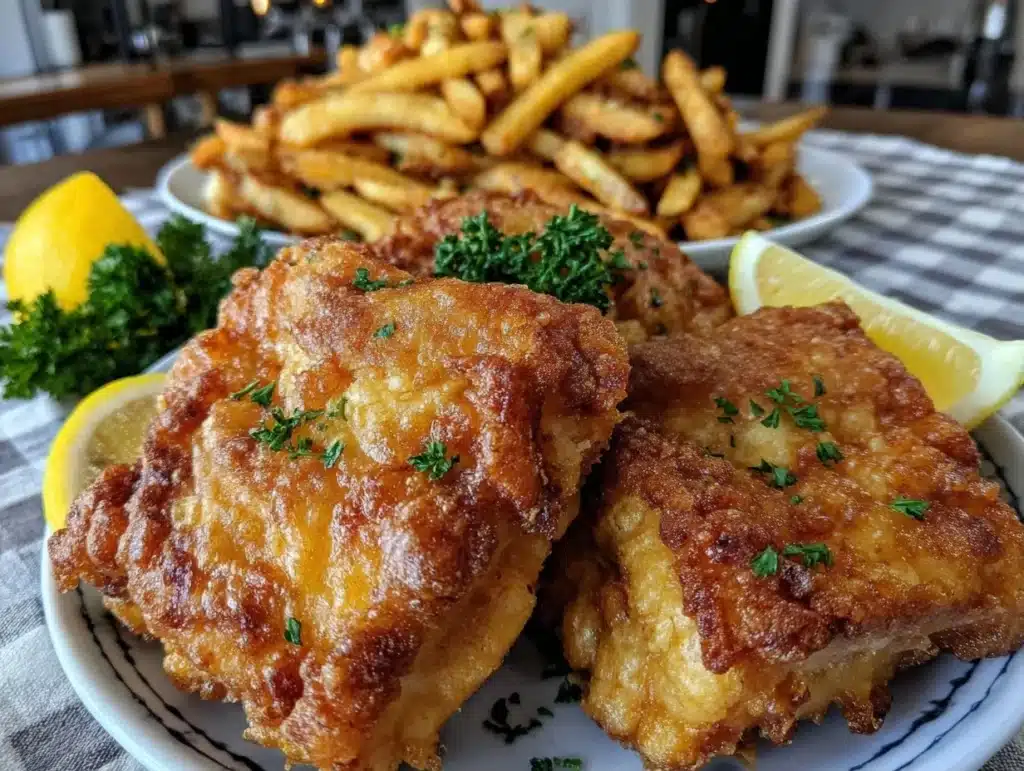
The smell of sizzling cornmeal and white fish hitting hot oil is the kind of aroma that pulls the whole family to the kitchen. Honestly, it’s better than any perfume I’ve ever worn. I remember standing over the stove on a rainy Tuesday in Minnesota, watching the golden crust form on those delicate fillets. My kids were arguing about who got the last tater tot, and my husband was already setting three plates out before the pan was even off the burner.
This isn’t just another fish recipe. It’s the one that saved my sanity during those long, dark winters when cooking felt like a chore. Crispy Walleye Fish Fry has become our go-to weeknight dinner because it’s fast, healthy, and tastes like a weekend treat. You know how some recipes take hours? This one takes twenty minutes from start to finish. That’s the magic here.
Walleye is such a humble fish, but when you treat it right, it shines. It’s sweet, flaky, and holds up beautifully to a crunchy coating. I’ve tested dozens of breading methods over the years, but this specific mix of cornmeal and spices hits the sweet spot every time. It’s not greasy, it’s not bland, and it doesn’t require fancy ingredients you can’t find at a regular grocery store. Let’s face it, we all want dinner on the table without a marathon shopping trip.
Whether you’re a seasoned angler who caught your own dinner or just someone who loves the ocean’s flavor, this recipe works. It’s perfect for busy parents, health-conscious eaters, or anyone who misses the taste of a classic diner fish fry. I’ve made this for potlucks, date nights, and simple Tuesdays. It always gets compliments. There’s something comforting about that crunch that just feels like home. Plus, walleye is low in mercury and high in protein, so you can feel good about serving it. You’ll love how easy it is to make, and your family will love how good it tastes.
Why You’ll Love This Recipe
After making this crispy walleye fish fry over a dozen times, I can confidently say it’s the best way to cook this delicate fish. I’ve tried flour-heavy batters that get soggy, and I’ve tried plain breadcrumbs that fall off. This recipe uses a specific blend that stays crunchy even after sitting for a few minutes on the plate. It’s a technique I picked up from a local chef in Minnesota who swore by cornmeal for texture.
Here is why this recipe stands out from the rest:
- Quick & Easy: You can have dinner on the table in under 20 minutes. This is perfect for those nights when you’re exhausted and just need to eat.
- Simple Ingredients: You likely have everything in your pantry right now. Cornmeal, flour, spices, and eggs. No fancy imports needed.
- Perfect for Weeknights: It’s light enough that you won’t feel sluggish afterward, but filling enough to satisfy hungry kids.
- Crowd-Pleaser: Even picky eaters who usually refuse “fish sticks” will ask for seconds when it’s prepared this way.
- Unbelievably Delicious: The combination of sweet walleye and spicy, crunchy coating is next-level comfort food.
- Healthy & Lean: Walleye is a lean white fish, making this a healthier option than fried chicken or pork chops.
What makes this different is the ratio of cornmeal to flour. Too much flour makes it doughy. Too much cornmeal makes it crumbly. I found the perfect balance after testing it with my neighbors. It’s the kind of recipe that makes you close your eyes after the first bite because the texture is just so satisfying. It’s comfort food reimagined—lighter, faster, but with that same soul-soothing crunch. It’s also great for impressing guests without spending hours in the kitchen. You can prep the fish ahead of time and just fry it when everyone sits down. It turns a simple meal into something memorable.
What Ingredients You Will Need
This recipe relies on simple, wholesome ingredients to deliver bold flavor and satisfying texture without the fuss. The key is quality fish and the right blend of dry ingredients. I recommend using fresh or frozen-thawed walleye fillets for the best results, but other white fish like perch or cod work too. Here is what you need to get started.
For the Fish
- Walleye Fillets: 1.5 pounds, skinless and boneless. Look for firm, fresh fillets. If using frozen, thaw them completely and pat them very dry. (I prefer Minnesota walleye, but any local white fish works.)
- Eggs: 2 large eggs, beaten. These act as the glue for the breading. (Room temperature eggs work best.)
- Milk or Buttermilk: 1/4 cup. I like to add a splash of milk to the eggs for extra tenderness. (Buttermilk adds a nice tang.)
For the Breading
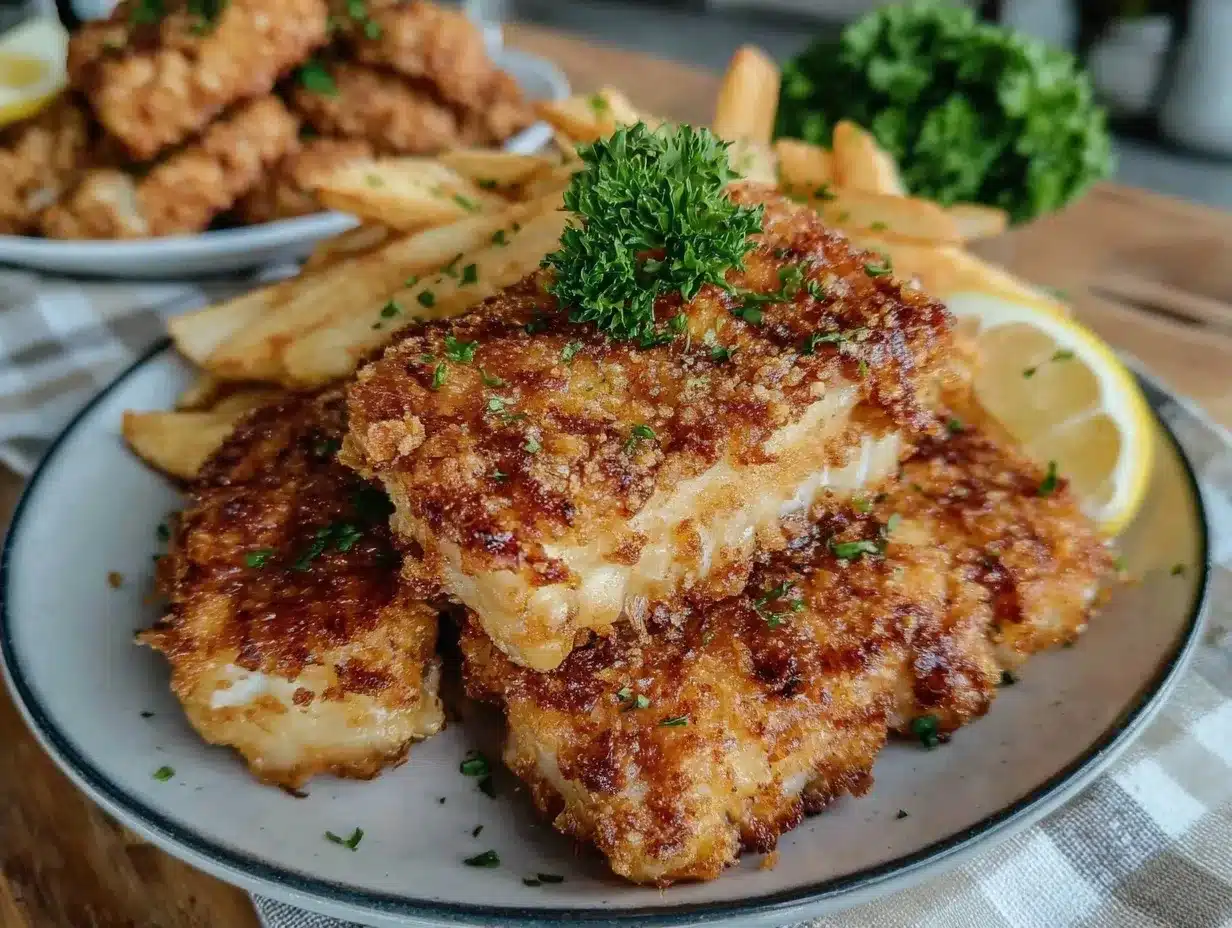
- Cornmeal: 1 cup, fine or medium grind. This is the secret to the crunch. (Yellow cornmeal gives a traditional color and sweet flavor.)
- All-Purpose Flour: 1/2 cup. This helps the breading stick better than cornmeal alone.
- Garlic Powder: 1 teaspoon. Adds a savory depth that pairs perfectly with fish.
- Onion Powder: 1 teaspoon. Complements the garlic and adds sweetness.
- Old Bay Seasoning: 1 teaspoon. (I use the classic blend for that classic fish fry taste.)
- Black Pepper: 1/2 teaspoon. Freshly cracked is best.
- Salt: 1 teaspoon, or to taste. (Don’t skip this, it brings out the fish flavor.)
- Cayenne Pepper: 1/4 teaspoon. Optional, for a little heat. (I add this if I want a kick.)
For Frying
- Vegetable Oil or Canola Oil: 1/2 to 1 cup. You need enough to coat the bottom of the pan generously. (Peanut oil is great for high heat, but vegetable oil is cheaper and easier.)
I always recommend buying fresh walleye from a local fishmonger if you can. If you’re substituting, cod or haddock are good alternatives, though they may cook slightly faster. For a gluten-free option, you can swap the all-purpose flour for gluten-free cornmeal or almond flour, but the texture will be different. Also, look for fine-ground cornmeal if you want a smoother crust, or coarse if you want more crunch. In summer, I like to add a little lemon zest to the breading for a fresh twist.
Equipment Needed
You don’t need anything fancy to make this crispy walleye fish fry. A few basic tools will get the job done perfectly. Here is what you’ll need on your counter.
- Large Skillet: A cast-iron skillet is my favorite because it holds heat evenly and gives a superior crust. However, a heavy-bottomed stainless steel or non-stick pan works too. (Cast iron needs seasoning, but it’s worth it for the flavor.)
- Shallow Dishes: You’ll need two or three shallow bowls for your breading station. Pie dishes or wide soup bowls work well. (Plastic containers with lids are great for mixing the dry ingredients.)
- Wire Rack: Place a wire rack over a baking sheet for the fried fish to drain. This keeps the bottom from getting soggy. (I use a cooling rack from my oven.)
- Tongs:
- Thermometer: An instant-read thermometer helps you keep the oil at the right temperature. (If you don’t have one, drop a pinch of cornmeal in; if it sizzles immediately, you’re good.)
- Paper Towels: For blotting excess oil if needed, though the rack method is better. (Keep a stack nearby for spills.)
If you don’t have a wire rack, you can place the fried fish directly on fresh paper towels, but be sure to change the towels halfway through so they don’t get saturated. For budget-friendly options, any heavy skillet you already own will work. Just make sure it’s large enough to hold the fillets in a single layer without crowding. Crowding the pan lowers the oil temperature and leads to steaming instead of frying.
Preparation Method
Getting the breading right is the most important part of this recipe. If you rush this step, your fish might lose its coating in the pan. Take your time and set up your station before you turn on the heat. Here is how to prepare your crispy walleye fish fry step-by-step.
Step 1: Prep the Fish
Pat the walleye fillets dry with paper towels. This is crucial. Moisture is the enemy of crispiness. If the fish is wet, the breading won’t stick, and the oil will splatter. Cut larger fillets into bite-sized pieces if you prefer, or keep them whole for a more elegant presentation. Season the fish lightly with salt and pepper on both sides. (This adds flavor directly to the fish, not just the crust.)
Step 2: Set Up the Breading Station
Get three shallow dishes ready. In the first dish, whisk together the beaten eggs and milk (or buttermilk). In the second dish, mix the flour, cornmeal, garlic powder, onion powder, Old Bay, black pepper, salt, and cayenne. Make sure the dry ingredients are well combined so you don’t get a mouthful of plain flour. The third dish can be empty or used for extra dry fish if needed. (I usually just use two dishes: egg wash and dry mix.)
Step 3: Coat the Fish
Dip a fillet into the egg wash, letting the excess drip off. Then, press it firmly into the cornmeal mixture. Use your hands to press the breading onto the fish, ensuring it sticks to all sides. Lift it up and gently shake off any loose flour. Place the coated fillet on a clean plate. Repeat with the remaining fish. (Don’t stack the coated fish on top of each other, or the breading might stick together.)
Step 4: Heat the Oil
Heat about 1/4 to 1/2 inch of oil in your skillet over medium-high heat. You want the oil to reach 350°F to 375°F (175°C to 190°C). If you don’t have a thermometer, test it by dropping a tiny bit of cornmeal into the oil. If it sizzles and floats immediately, the oil is ready. (This usually takes about 5-7 minutes.)
Step 5: Fry the Fish
Carefully place the coated fillets into the hot oil. Do not overcrowd the pan. Fry in batches if necessary. Cook for about 3-4 minutes per side, depending on the thickness of the fillets. You want a golden-brown crust. Flip the fish only once, when the bottom is deeply golden and releases easily from the pan. (Use tongs to flip gently.)
Step 6: Drain and Serve
Once cooked, remove the fish from the oil and place it on the wire rack. Sprinkle immediately with a tiny pinch of salt if desired. Let it rest for a minute before serving. The residual heat will finish cooking the inside while keeping the crust crisp. (Serve immediately for the best texture.)
Troubleshooting Tips
- Breading falling off: This usually happens if the fish was too wet or the oil wasn’t hot enough. Always pat the fish dry and ensure the oil is at temperature.
- Greasy fish: If the oil is too cool, the fish will absorb it. Keep the heat steady and use a thermometer.
- Burnt breading: If the outside is burning before the inside is cooked, lower the heat slightly. Walleye is delicate and cooks quickly.
Cooking Tips & Techniques
Mastering the fry takes a little practice, but these tips will help you get it right every time. I learned these the hard way, with plenty of burnt pans and soggy fish along the way. Here is what I’ve figured out after years of making this crispy walleye fish fry.
Keep the Oil Temperature Steady: The biggest mistake people make is letting the oil cool down when they add the fish. The temperature will drop, so don’t be afraid to adjust the heat. If it drops too low, wait for it to come back up before adding the next batch. Consistent heat means consistent crunch.
Don’t Touch the Fish: When you first put the fish in the pan, let it sit. If you try to move it too soon, the breading will stick and tear. Wait until you see bubbles forming around the edges and the bottom is golden. Then, and only then, should you flip it. Patience pays off here.
Use a Wire Rack: I cannot stress this enough. Placing fried fish on paper towels traps steam and makes the bottom soggy within minutes. A wire rack allows air to circulate, keeping the entire piece crisp. It’s a small step that makes a huge difference in quality.
Double Dip for Extra Crunch: If you really love a thick crust, you can double-dip. Go through the egg wash, then the dry mix, then back in the egg wash, and finally back in the dry mix. This creates a thicker, more substantial coating. It’s great for kids who like a heavy crunch.
Multitask Smartly: While the first batch is frying, prep the next batch. Have your next fillets ready in the egg wash so you can drop them in as soon as the pan is clear. This keeps the process flowing and ensures everyone gets hot fish at the same time.
Season the Oil? Some chefs add a bay leaf or a slice of lemon to the oil for aroma. I haven’t tried this, but it might add a nice subtle scent. However, keep it simple. The spices in the breading are what matter most.
Variations & Adaptations
One of the best things about this recipe is how flexible it is. You can tweak it to fit your dietary needs or taste preferences. Here are a few variations I’ve tried that work wonderfully.
Spicy Kick: If you like heat, double the cayenne pepper and add some crushed red pepper flakes to the breading. You can also mix a little hot sauce into the egg wash for an extra spicy bite. This is great for adults who like a little fire with their fish.
Herb-Infused Crust: Add 1 tablespoon of dried parsley or dried dill to the cornmeal mixture. These herbs pair beautifully with walleye and add a fresh, garden-like flavor. It’s a nice change from the classic Old Bay profile.
Gluten-Free Option: Swap the all-purpose flour for an equal amount of gluten-free cornmeal or almond flour. Make sure your cornmeal is certified gluten-free if you have celiac disease. The texture will be slightly denser but still crunchy.
Alternative Fish: If you can’t find walleye, use perch, cod, haddock, or even tilapia. Just adjust the cooking time slightly, as some fish are thinner than others. Perch is the closest substitute in terms of flavor and texture.
Baked Version: For a lighter option, bake the breaded fish at 400°F (200°C) on a wire rack for 12-15 minutes, flipping halfway. Spray the top with cooking oil to help it brown. It’s not as crunchy as frying, but it’s much lower in fat.
Parmesan Twist: Add 1/4 cup of grated Parmesan cheese to the dry breading mixture. This adds a salty, umami flavor that is incredibly addictive. It’s a personal favorite of mine when I want something extra savory.
Serving & Storage Suggestions
How you serve this crispy walleye fish fry can elevate the meal from simple to spectacular. Here are some ideas for presentation and storage.
Classic Sides: Serve with lemon wedges, tartar sauce, and malt vinegar. Traditional sides include French fries, coleslaw, boiled potatoes, or corn on the cob. A simple green salad with vinaigrette also cuts through the richness of the fried fish nicely.
Beverage Pairings: A crisp, cold lager or pilsner is the classic pairing for fish fry. For a non-alcoholic option, try sparkling water with lemon or sweet iced tea. The acidity in these drinks helps cleanse the palate between bites.
Storage: Leftovers can be stored in an airtight container in the refrigerator for up to 2 days. The breading will soften over time, but the flavor remains good.
Reheating: To reheat, use an air fryer or a conventional oven at 375°F (190°C) for 5-7 minutes. This will restore the crunch. Avoid the microwave, as it will make the fish rubbery and the breading soggy.
Freezing: You can freeze the breaded, uncooked fillets. Place them on a baking sheet in the freezer until solid, then transfer to a freezer bag. Fry directly from frozen, adding a minute or two to the cooking time. This is great for meal prep.
Flavor Development: The flavors of the spices meld nicely over time, so day-old fish can actually taste more seasoned than day-one fish. Just make sure to reheat it properly to enjoy the best texture.
Nutritional Information & Benefits
Walleye is not just delicious; it’s also a nutritious choice for your weeknight dinners. Here is a breakdown of the health benefits associated with this recipe.
High Protein: Walleye is an excellent source of lean protein, which is essential for muscle repair and satiety. One serving provides about 20-25 grams of protein.
Low in Mercury: Compared to larger predatory fish, walleye has very low mercury levels, making it safe for frequent consumption, including for children and pregnant women.
Rich in Vitamins: It contains B vitamins, particularly B12, which supports nerve function and red blood cell formation. It also has selenium, an antioxidant that helps protect cells from damage.
Dietary Considerations: This recipe is naturally low-carb if you skip the flour and use only cornmeal, though cornmeal does have some carbs. It is dairy-free if you omit the milk/buttermilk and use water or egg whites. It is gluten-free if you use gluten-free cornmeal and flour.
Allergens: This recipe contains eggs and fish. If you have allergies, be sure to substitute ingredients carefully. Always check labels for cross-contamination if you have severe allergies.
Personal Wellness: I love this recipe because it feels indulgent but is actually quite healthy. It allows me to enjoy fried food without the guilt of heavy, greasy meals. It’s a balanced way to incorporate more fish into my diet.
Conclusion
Making crispy walleye fish fry at home is easier than you think, and the results are worth every minute. It’s a recipe that brings warmth to your kitchen and satisfaction to your table. Whether you’re a fishing enthusiast or just a lover of good food, this dish is a winner. I hope you try it and make it your own. Feel free to experiment with the spices and sides to suit your taste.
Don’t forget to share your creations! I love seeing how you customize this recipe. Leave a comment below with your favorite variation or tell me how your family liked it. If you enjoyed this, please share it with friends who love fish fry. Thank you for reading, and happy cooking!
FAQs
Can I use frozen walleye fillets?
Yes, you can use frozen walleye. Just make sure to thaw them completely in the refrigerator overnight. Pat them very dry with paper towels before breading to ensure the crust sticks properly.
What is the best oil to use for frying?
Vegetable oil, canola oil, or peanut oil are all great choices. They have high smoke points, which means they can get hot enough to crisp the fish without burning. Peanut oil adds a nice nutty flavor, but vegetable oil is more neutral.
How do I know when the fish is done?
The fish is done when the breading is golden brown and the internal temperature reaches 145°F (63°C). The flesh should be opaque and flake easily with a fork. Cooking time is usually 3-4 minutes per side.
Can I bake this instead of frying?
Yes, you can bake it. Preheat your oven to 400°F (200°C). Place the breaded fish on a wire rack over a baking sheet. Spray the top lightly with oil and bake for 12-15 minutes, flipping halfway. It will be less crunchy than frying but still delicious.
What can I use instead of walleye?
You can substitute walleye with other white fish like perch, cod, haddock, or tilapia. Just adjust the cooking time based on the thickness of the fillets. Perch is the closest in flavor and texture.
Pin This Recipe!
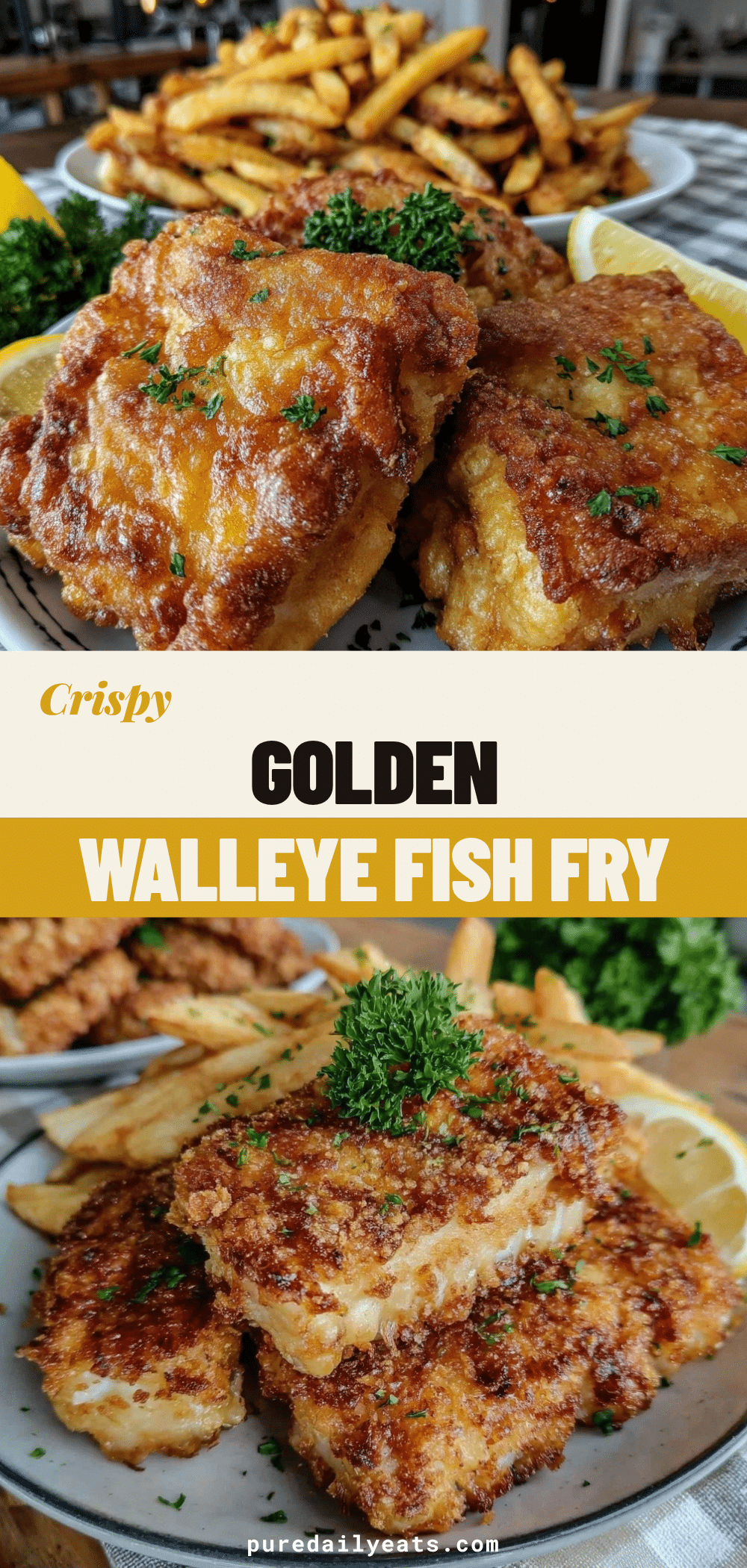

Crispy Walleye Fish Fry: Best Easy Weeknight Dinner
- Total Time: 20 minutes
- Yield: 4 servings 1x
Description
A quick and easy weeknight dinner featuring sweet, flaky walleye fillets coated in a crunchy cornmeal and spice blend, fried to golden perfection in under 20 minutes.
Ingredients
- 1.5 pounds walleye fillets, skinless and boneless
- 2 large eggs, beaten
- 1/4 cup milk or buttermilk
- 1 cup fine or medium grind cornmeal
- 1/2 cup all-purpose flour
- 1 teaspoon garlic powder
- 1 teaspoon onion powder
- 1 teaspoon Old Bay seasoning
- 1/2 teaspoon black pepper
- 1 teaspoon salt
- 1/4 teaspoon cayenne pepper (optional)
- 1/2 to 1 cup vegetable oil or canola oil for frying
Instructions
- Pat the walleye fillets dry with paper towels and season lightly with salt and pepper on both sides.
- Set up a breading station with three shallow dishes: one with beaten eggs and milk, one with the combined dry ingredients (cornmeal, flour, garlic powder, onion powder, Old Bay, black pepper, salt, and cayenne), and one empty plate for coated fish.
- Dip each fillet into the egg wash, letting excess drip off, then press firmly into the dry mixture to coat all sides. Place on a clean plate.
- Heat 1/4 to 1/2 inch of oil in a large skillet over medium-high heat until it reaches 350°F to 375°F.
- Carefully place fillets into the hot oil, ensuring not to overcrowd the pan. Fry for 3-4 minutes per side until golden brown and crispy.
- Remove fish from the oil and place on a wire rack to drain. Sprinkle with a tiny pinch of salt if desired and serve immediately.
Notes
Ensure fish is completely dry before breading to prevent splattering and ensure crispiness. Do not overcrowd the pan to maintain oil temperature. For extra crunch, double-dip the fish in egg wash and dry mix. Can be baked at 400°F for 12-15 minutes for a lighter option.
- Prep Time: 10 minutes
- Cook Time: 10 minutes
- Category: Main Course
- Cuisine: American
Nutrition
- Serving Size: 1 fillet per serving
- Calories: 350
- Sugar: 1
- Sodium: 600
- Fat: 15
- Saturated Fat: 3
- Carbohydrates: 20
- Fiber: 1
- Protein: 25
Keywords: walleye, fish fry, crispy fish, weeknight dinner, easy recipe, cornmeal crust, white fish, healthy dinner, Minnesota cuisine