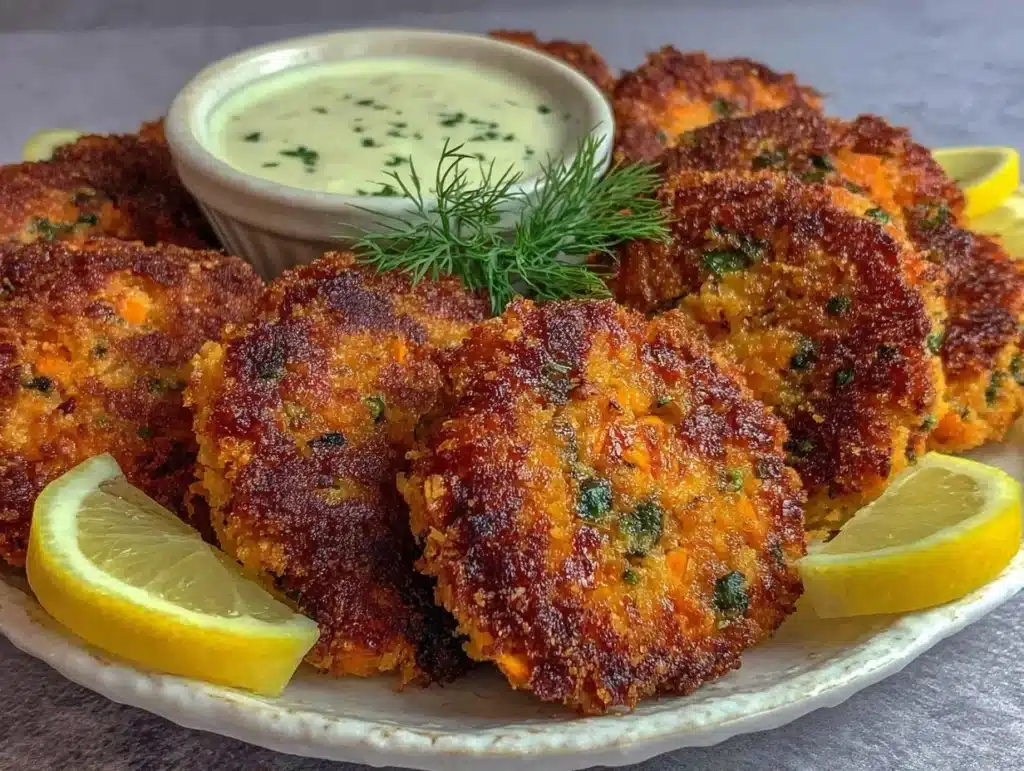
Let’s be honest for a second. I love a fancy dinner party as much as the next person, but honestly? Most nights, I just want food on the table in under 20 minutes. That is exactly where these homemade salmon cakes come in. I first stumbled upon this version of the recipe during a particularly chaotic Tuesday back in 2019. I had a half-can of salmon in the fridge, some sad-looking herbs, and zero energy to cook anything complex. I threw everything together, pan-fried it, and took one bite that completely changed my perspective on quick weeknight dinners.
Before that night, I thought salmon cakes were either expensive restaurant appetizers or dry, fishy patties made with too much filler. This version proved me wrong. It’s crispy on the outside, tender and flaky on the inside, and packed with protein that actually keeps you full. You know how sometimes you find a recipe that just works every single time? This is that recipe. I’ve made it over a dozen times since that first lucky attempt, tweaking the breadcrumbs and the lemon ratio until it was perfect.
If you are looking for a healthy dinner that doesn’t taste like diet food, you need to try these homemade salmon cakes. They are perfect for busy parents, fitness enthusiasts, or anyone who wants to eat well without spending hours in the kitchen. The best part? You likely have most of the ingredients already. It’s comfort food reimagined for modern life. No stress, no fancy techniques, just delicious, golden-brown patties that your family will devour. Let’s get cooking.
Why You’ll Love This Recipe
After testing this recipe through countless weeknights, I can confidently say it’s a winner. It’s not just another fish cake recipe; it’s a solution to the daily “what’s for dinner?” dilemma. Here is why this specific version stands out from the crowd:
- Quick & Easy: The entire process, from prep to plate, takes about 15 minutes. That is faster than ordering takeout, and it tastes a thousand times better.
- Simple Ingredients: You don’t need a specialty grocery store. Just salmon, eggs, breadcrumbs, and fresh herbs. If you have those, you’re good to go.
- Perfect for Busy Nights: Whether you have a late meeting, soccer practice to get to, or just need a break, this recipe fits your schedule.
- Crowd-Pleaser: Even my picky eater husband asks for seconds. The texture is soft but holds together well, so it doesn’t fall apart on the plate.
- Unbelievably Delicious: The combination of lemon zest and fresh dill cuts through the richness of the salmon perfectly. It’s bright, fresh, and satisfying.
What makes this different from other salmon cakes is the balance. Many recipes use too much mayo or mustard, which can make the flavor heavy. I use a light hand with the binders and let the salmon shine. It’s the kind of dish that makes you close your eyes after the first bite because it’s just that good. It feels like a treat, but it’s actually healthy and light. Plus, it’s great for meal prep. You can make a batch, freeze the uncooked patties, and have dinner ready in minutes on even the busiest days.
What Ingredients You Will Need
This recipe relies on high-quality, simple ingredients to deliver bold flavor without the fuss. The key is freshness. Since there are so few components, each one plays a critical role in the final taste and texture. Here is what you need to gather:
- Canned Salmon (14.75 oz / 418g): Use wild-caught pink or sockeye salmon. Drain the liquid well. I prefer bone-in salmon because the soft bones add extra calcium and a nice texture, but skinless and boneless works too if you prefer.
- Large Eggs (2 large): These act as the binder. Room temperature eggs mix more evenly into the salmon mixture. Don’t skip them; they hold the cakes together.
- Panko Breadcrumbs (1 cup / 100g): Panko is crucial for that extra crunch. Regular breadcrumbs will make the cakes dense. Look for a brand like Pantra or any Japanese-style panko for the best results.
- Fresh Dill (2 tbsp, chopped): Fresh herbs make a huge difference. Dried dill works in a pinch, but fresh adds that bright, grassy note that defines a good salmon cake.
- Green Onions (2 stalks, finely chopped): These add a mild onion flavor without being overpowering. They mix in nicely and look pretty too.
- Lemon Zest and Juice (1 lemon): Zest provides the aromatic oils, while a splash of juice adds acidity. Balance is key here; start with the zest and add juice to taste.
- Mayonnaise (2 tbsp): Just a little goes a long way. It adds moisture and richness. I use Duke’s or a high-quality mayo for a tangier flavor.
- Garlic (1 clove, minced): Fresh garlic is better than powder here. It adds a savory depth that complements the fish.
- Old Bay Seasoning (1 tsp): This classic seafood seasoning adds warmth and complexity. If you don’t have it, a mix of paprika, celery salt, and black pepper works fine.
- Butter and Olive Oil (2 tbsp total): For pan-frying. A mix of both prevents burning while ensuring a nice golden crust.
If you are watching your carb intake, you can swap the panko for almond flour or crushed pork rinds. For a dairy-free option, ensure your mayo is egg-based and use olive oil for frying. The substitutions are flexible, but the core flavors should remain intact for the best experience.
Equipment Needed
You don’t need a fancy kitchen to make these cakes. A few basic tools will get the job done efficiently. You will need a large mixing bowl to combine the ingredients. A medium-sized bowl is also helpful if you want to keep your workspace tidy. A sturdy fork is essential for flaking the salmon and mixing the ingredients evenly. You don’t need a food processor; over-processing can make the texture mushy, so hand-mixing is actually preferred here.
For cooking, a large non-stick skillet is your best friend. Cast iron is great too, but you need to make sure it’s well-seasoned to prevent sticking. A spatula with a thin, flexible edge is crucial for flipping the cakes without breaking them. I recommend a metal spatula over silicone for better heat conduction and a crispier crust. If you are making a large batch, having two pans on the stove can speed things up.
A paper towel-lined plate is handy for draining excess oil after frying, though these cakes don’t need much oil. A microplane or zester is helpful for getting the lemon zest without the bitter white pith. If you don’t have one, a sharp knife works, but it takes more effort. Keep your equipment simple and clean, and you’ll have these on the table in no time.
Preparation Method
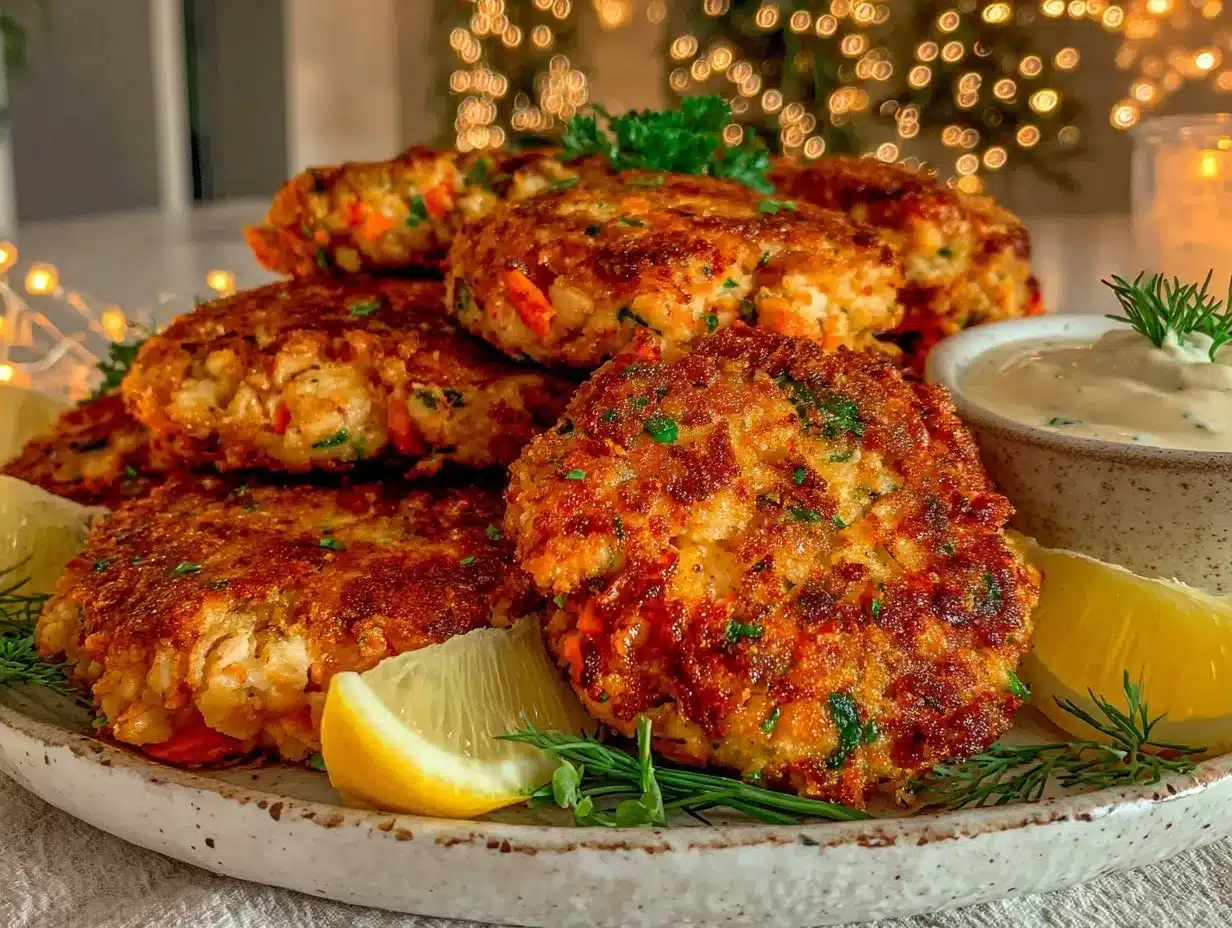
- Drain and Flake the Salmon: Start by opening the can of salmon. Pour off all the liquid into the sink. This is important; too much moisture will make the cakes soggy. Place the salmon in your large mixing bowl. Use your fork to break up the chunks. If you have bones, press them through the mesh of the fork until they are tiny and soft. This step takes about 2 minutes. You want a consistent, flaky texture.
- Prepare the Aromatics: While the salmon is draining, chop your green onions and fresh dill. Mince the garlic clove finely. Add these to the bowl with the salmon. The fresh herbs and onions will infuse the fish with flavor as it cooks. This adds about 1 minute to your prep time.
- Add the Binders and Seasonings: Crack the eggs into the bowl. Add the mayonnaise, lemon zest, minced garlic, Old Bay seasoning, and a pinch of salt and black pepper. Mix everything together gently but thoroughly. You want to combine the ingredients without mashing the salmon into a paste. It should look like a thick, cohesive mixture. This takes about 2 minutes.
- Incorporate the Breadcrumbs: Sprinkle the panko breadcrumbs over the salmon mixture. Fold them in until just combined. The mixture should be moist enough to hold together when pressed but not sticky. If it feels too wet, add a tablespoon more panko. If it’s too dry, add a splash of lemon juice. This step is quick, taking less than a minute.
- Form the Patties: Wet your hands slightly with water to prevent sticking. Scoop about 1/3 cup of the mixture into your palm. Gently shape it into a patty, about 1/2 inch thick. Place it on a plate. Repeat with the remaining mixture. You should get about 6-8 patties. This takes about 3 minutes. Don’t pack them too tightly; loose patties cook more evenly.
- Heat the Pan: Place your large skillet over medium heat. Add the butter and olive oil. Wait until the butter stops foaming but hasn’t turned brown. This indicates the oil is hot enough for frying. This takes about 2 minutes.
- Coat the Patties (Optional): For extra crunch, you can dredge each patty lightly in a little more panko before frying. Press gently so it sticks. This step is optional but recommended for the best texture.
- Fry the Cakes: Carefully place the patties in the hot pan. Do not overcrowd the pan; cook in batches if necessary. Fry for 3-4 minutes on the first side. Look for a golden-brown crust. The edges should look cooked through. Flip carefully with your spatula. Fry for another 2-3 minutes on the other side until golden. Total cooking time is about 6-8 minutes per batch.
- Drain and Serve: Transfer the cooked salmon cakes to the paper towel-lined plate. Let them rest for a minute to firm up slightly. This helps them hold their shape when plated. Serve immediately while hot and crispy.
Cooking Tips & Techniques
I’ve learned a few things the hard way when making salmon cakes. The biggest mistake people make is not draining the salmon enough. If the can is wet, your cakes will steam instead of fry. Always press down on the salmon with a fork to squeeze out excess liquid. Another tip is to keep your hands wet when forming the patties. Salmon is sticky, and wet hands prevent the mixture from adhering to your skin. This makes shaping much faster and cleaner.
Temperature control is everything. If your pan is too hot, the outside will burn before the inside is cooked. If it’s too low, the cakes will absorb too much oil and become greasy. Medium heat is the sweet spot. Listen to the sizzle; it should be a steady, gentle sound, not a violent roar. If you hear loud popping, lower the heat slightly.
Don’t flip the patties too early. Let the crust form. If you try to move them before they are ready, they will break apart. Use a thin spatula to slide under the edge and check for color. Once you see a nice golden brown, it’s time to flip. Also, consider making smaller patties. They cook faster and are easier to manage. Large, thick cakes can be unevenly cooked. Smaller bites are perfect for appetizers or light dinners.
Variations & Adaptations
One thing I love about this recipe is how adaptable it is. You can tweak it to fit your dietary needs or taste preferences. For a gluten-free version, swap the panko breadcrumbs for almond flour or certified gluten-free oats. Pulse the oats in a food processor to get a breadcrumb-like texture. This works surprisingly well and adds a nutty flavor.
If you want to add some heat, mix in a teaspoon of sriracha or a pinch of cayenne pepper. This pairs well with the lemon and dill. For a different flavor profile, try using smoked paprika instead of Old Bay. This gives the cakes a smoky, BBQ-like taste. You can also add finely chopped celery or carrots for extra crunch and nutrition. These vegetables add sweetness and texture that complement the fish.
For a low-carb option, you can omit the breadcrumbs entirely and use an extra egg and some grated parmesan cheese as a binder. This creates a denser, more protein-packed patty. I also love adding a handful of fresh spinach leaves to the mixture. It adds color and nutrients without changing the flavor much. The spinach wilts during cooking, blending seamlessly into the cake.
Serving & Storage Suggestions
Salmon cakes are versatile. Serve them with a side of mixed greens tossed in a light vinaigrette. A lemon-herb yogurt sauce is a classic pairing. Mix Greek yogurt, lemon juice, dill, and a little garlic for a creamy dip. They also go well with roasted asparagus or steamed broccoli. For a heartier meal, serve them on a whole wheat bun with tartar sauce for a salmon burger experience.
Leftovers can be stored in an airtight container in the refrigerator for up to 3 days. Reheat them in a skillet over medium heat to maintain crispiness. Avoid the microwave, as it will make them soggy. You can also freeze the uncooked patties. Place them on a baking sheet in the freezer, then transfer to a freezer bag. They will keep for up to 2 months. Cook them directly from frozen, adding a minute or two to the cooking time.
The flavors actually develop over time. The herbs meld with the salmon, creating a deeper taste after a day in the fridge. However, the texture may soften slightly. For the best experience, eat them fresh. If you are meal prepping, store the sauce separately to keep the cakes crisp. This recipe is perfect for lunchboxes too. Just ensure they are cooled completely before packing to prevent condensation.
Nutritional Information & Benefits
Salmon is a nutritional powerhouse. It is rich in omega-3 fatty acids, which are great for heart and brain health. These cakes provide a good amount of protein, helping to keep you full and satisfied. Each cake has approximately 150-180 calories, depending on the size and oil used. They are naturally low in carbohydrates, making them suitable for keto or low-carb diets if you use almond flour.
Using wild-caught salmon ensures you get higher levels of nutrients compared to farmed varieties. The fresh herbs add antioxidants and vitamins. Dill, in particular, has anti-inflammatory properties. Green onions provide vitamin K and C. This recipe is a balanced way to incorporate seafood into your diet. It’s not just about weight loss; it’s about nourishing your body with quality ingredients. I love that I can feel good about eating this, knowing it supports my health goals.
Conclusion
These homemade salmon cakes are a game-changer for weeknight dinners. They are quick, healthy, and incredibly delicious. I hope you try this recipe and enjoy it as much as I do. It’s a simple dish that proves you don’t need complicated techniques to make great food. Feel free to experiment with the herbs and spices to make it your own. Whether you serve them as an appetizer or a main course, they are sure to be a hit.
Don’t forget to save this recipe for later. If you make it, I’d love to hear how it turns out. Leave a comment below with your thoughts or any variations you tried. Sharing your experiences helps our community grow. Happy cooking, and enjoy your meal!
Frequently Asked Questions
Can I use fresh salmon instead of canned?
Yes, you can use cooked fresh salmon. Flake it into small pieces and use it in place of the canned salmon. Just ensure it is fully cooked and cooled before mixing. The texture will be slightly different, but still delicious.
How do I prevent the salmon cakes from falling apart?
Make sure you drain the salmon well and don’t add too much liquid. The eggs and breadcrumbs are key binders. If the mixture feels loose, add a little more panko or let it chill in the fridge for 15 minutes before frying. This helps the proteins set.
Can I bake these instead of frying?
Absolutely. Preheat your oven to 400°F (200°C). Place the patties on a lined baking sheet and brush with a little oil. Bake for 15-20 minutes, flipping halfway through. They won’t be as crispy as pan-fried, but they are a healthier option.
What sauce goes best with salmon cakes?
Tartar sauce is a classic choice. You can also try a lemon-dill yogurt dip, a spicy sriracha mayo, or a simple balsamic glaze. The acidity in these sauces complements the richness of the salmon perfectly.
Are these salmon cakes good for meal prep?
Yes, they are great for meal prep. Store them in the fridge for up to 3 days. Reheat in a skillet or toaster oven to keep them crisp. They also freeze well, either cooked or uncooked, making them a convenient option for busy days.
Pin This Recipe!
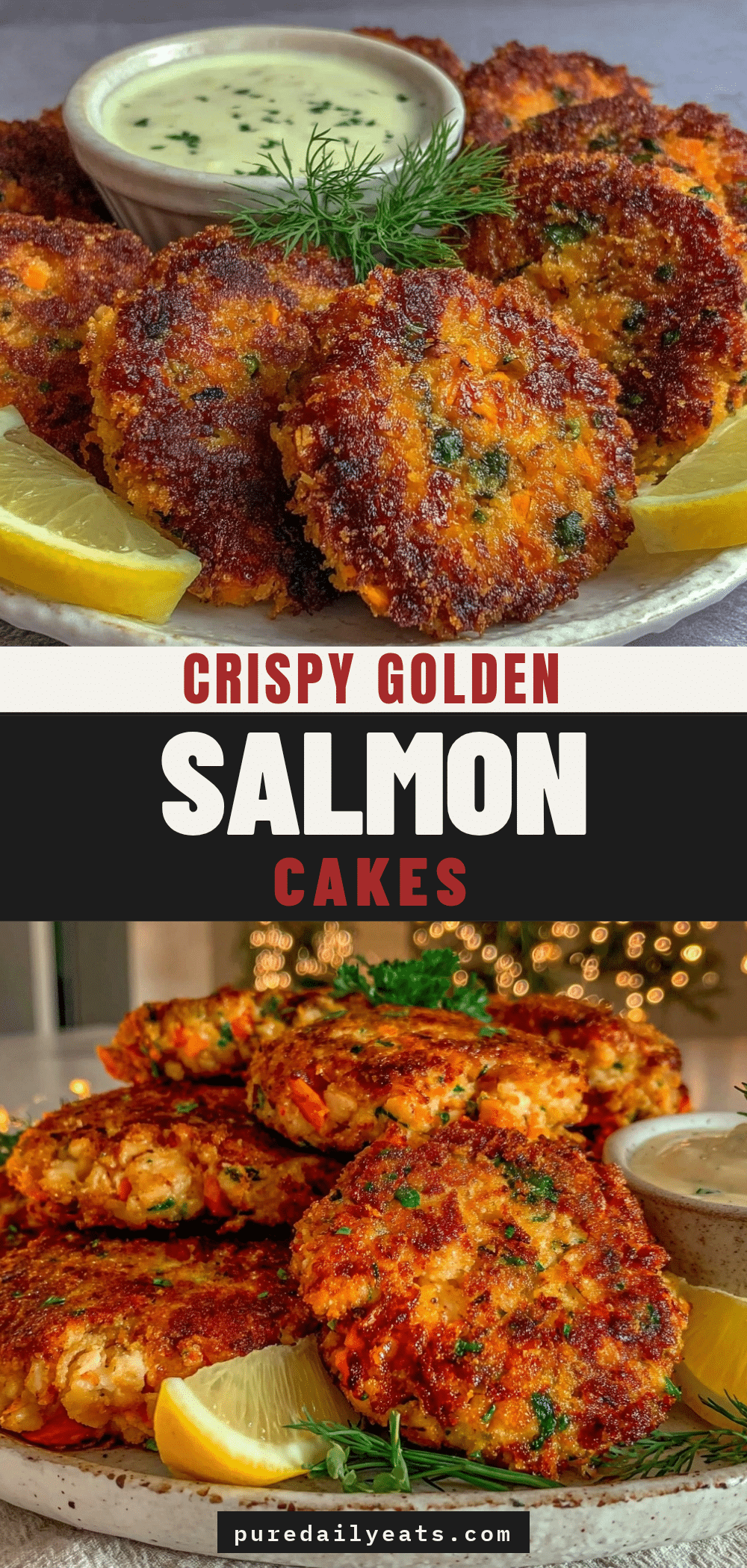

Homemade Salmon Cakes: Easy 15-Min Dinner
- Total Time: 15 minutes
- Yield: 6-8 servings 1x
Description
Crispy on the outside and tender on the inside, these homemade salmon cakes are a quick, healthy, and delicious weeknight dinner solution that takes only 15 minutes to prepare.
Ingredients
- 14.75 oz (418g) canned salmon (wild-caught pink or sockeye), drained
- 2 large eggs, room temperature
- 1 cup (100g) panko breadcrumbs
- 2 tbsp fresh dill, chopped
- 2 stalks green onions, finely chopped
- 1 lemon (zest and juice)
- 2 tbsp mayonnaise
- 1 clove garlic, minced
- 1 tsp Old Bay seasoning
- Salt and black pepper to taste
- 2 tbsp butter and olive oil (for frying)
Instructions
- Drain the canned salmon thoroughly to remove excess liquid. Place in a large mixing bowl and flake with a fork, pressing bones through the mesh if using bone-in salmon.
- Chop the green onions and fresh dill, and mince the garlic. Add these aromatics to the bowl with the salmon.
- Add the eggs, mayonnaise, lemon zest, minced garlic, Old Bay seasoning, salt, and pepper to the bowl. Mix gently but thoroughly until combined.
- Sprinkle the panko breadcrumbs over the mixture and fold in until just combined. The mixture should be moist enough to hold together but not sticky.
- Wet your hands slightly with water. Scoop about 1/3 cup of the mixture and shape into patties about 1/2 inch thick. Repeat to make 6-8 patties.
- Optionally, dredge each patty lightly in extra panko breadcrumbs for extra crunch.
- Heat butter and olive oil in a large non-stick skillet over medium heat until the butter stops foaming.
- Place patties in the hot pan, ensuring not to overcrowd. Fry for 3-4 minutes on the first side until golden brown.
- Flip carefully and fry for another 2-3 minutes on the other side until golden and cooked through.
- Transfer cooked cakes to a paper towel-lined plate to drain excess oil. Let rest for a minute before serving.
Notes
Ensure the salmon is drained well to prevent soggy cakes. Keep hands wet when forming patties to prevent sticking. Do not flip patties too early to allow a crust to form. For a gluten-free version, substitute panko with almond flour or gluten-free oats. For a low-carb version, omit breadcrumbs and use extra egg or parmesan cheese.
- Prep Time: 10 minutes
- Cook Time: 5 minutes
- Category: Main Course
- Cuisine: American
Nutrition
- Serving Size: 1 patty
- Calories: 165
- Sugar: 1
- Sodium: 350
- Fat: 10
- Saturated Fat: 3
- Carbohydrates: 8
- Fiber: 1
- Protein: 12
Keywords: salmon cakes, quick dinner, healthy seafood, weeknight meals, pan-fried salmon, gluten-free option, keto friendly